International organizations continue healthcare investment
By Modern Medical Solutions Editorial Team
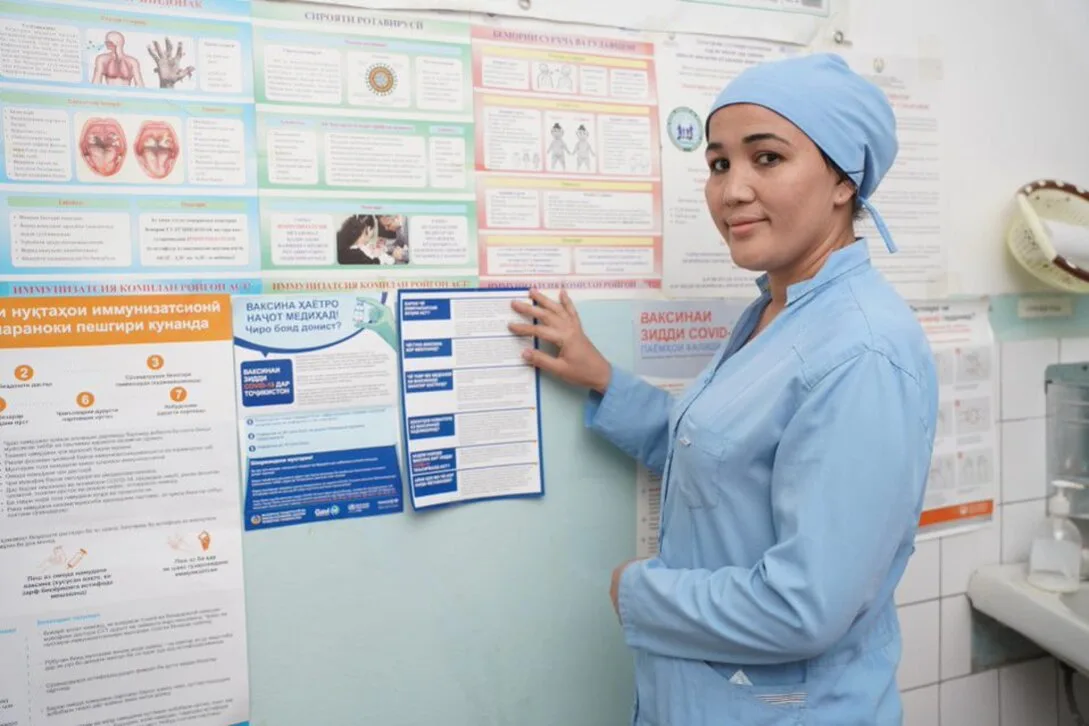
WHO, UNICEF, the European Union and other partners continue investing in healthcare infrastructure and medical technology.
Partners Behind Health Infrastructure
Sustained investment from organisations such as WHO, UNICEF, the European Union and other partners has long shaped health systems across the region, and continued support for infrastructure and medical technology reflects that established pattern. Each body brings a distinct emphasis: WHO towards standards and system strengthening, UNICEF towards maternal and child health, and development partners towards infrastructure and broad institutional capacity. Together they meaningfully influence what services facilities can realistically deliver to their populations.
For clinical service delivery, the real significance lies in what such investment enables on the ground rather than in the announcements that accompany it. Functioning equipment, trained staff and reliable supply chains are the tangible outputs that patients eventually experience. External support is at its most valuable when it strengthens exactly this everyday capacity, and least valuable when it produces visible projects that do not translate into better care once the ribbon has been cut and attention has moved on.
How Technology Investment Reaches Patients
Investment in medical technology travels a surprisingly long path from the initial funding decision to genuine impact at the bedside. Equipment must be selected, procured, imported, installed, commissioned and maintained, and staff must be trained to operate it safely and confidently. The service-delivery lesson from comparable programmes elsewhere is that hardware alone rarely improves care; it is the surrounding support that determines whether a donated device becomes a working service or an idle asset gathering dust in a store room.
The analytical point is that the most durable investments deliberately fund the whole chain, not merely the purchase price of the equipment. When training, maintenance contracts and consumable supply are financed alongside the hardware itself, technology investment reliably converts into lasting clinical capability rather than a short-lived showcase. Understanding this distinction helps facilities and funders judge which offers of support will genuinely strengthen services and which risk becoming expensive disappointments within a few years.
Making Investment Sustainable Locally
Sustainability is the recurring and unavoidable question with any external investment. Programmes that deliberately build local capacity, including maintenance skills, supply relationships and management systems, leave real capability behind once the funding period ends. Those that simply deliver equipment without this surrounding scaffolding risk gains that fade quickly once external attention and money move on to the next priority elsewhere, leaving facilities worse placed than a more modest but self-sustaining effort would have.
Local supply and documentation support play a quiet but genuinely important role here, helping to keep donor-funded equipment serviced, compliant and reliably stocked with the consumables it needs. Distributors familiar with the regional context, described further on our about page, can help bridge the awkward gap between an initial investment and its long-term operation. That bridging role is often what determines whether a well-intentioned programme leaves durable benefit or merely a memory of one.
Coordinating Multiple Funders Coherently
When several partners invest simultaneously in the same health system, coordination becomes genuinely essential rather than merely desirable. Without it, facilities can receive incompatible equipment, duplicated capacity in some areas and glaring gaps in others, or fragmented training that pulls scarce staff in several directions at once. Coherent planning ensures that separate investments reinforce one another rather than quietly competing, and that they align with national priorities so that clinical services grow in a joined-up and deliberate way.
Through a service lens, this coordination is precisely what turns a scattered collection of well-meaning projects into a genuinely strengthened system. It is often the difference between investment that endures and investment that dissipates soon after the funding ends. Practical help aligning imported equipment with national requirements is offered through import support, so donated technology can be legally used and properly maintained rather than stranded by avoidable documentation problems.
Sustaining Momentum Beyond Funding Cycles
Investment cycles inevitably end, but clinical needs continue indefinitely and often grow. The lasting value of international support therefore depends heavily on what remains once a particular programme closes: trained staff who stay, maintainable equipment that keeps working, and durable supply relationships that outlast the original grant. Facilities and national authorities that plan actively for this transition, rather than assuming that support will somehow continue forever, are far better placed to protect the gains they have made.
Reliable local partners help maintain that continuity through the difficult period after external funding withdraws and attention shifts. Their steady presence keeps equipment supported and supplied when the original programme is no longer there to intervene. Teams can review the equipment categories most relevant to their own services through the full product catalogue, using that as a practical starting point for planning how to sustain what international investment has helped them build over the years.
Aligning Investment With National Priorities
International investment delivers the most durable benefit when it reinforces a country's own health priorities rather than substituting an external agenda for them. Support that strengthens the services a health system has itself identified as important tends to be embraced, maintained and defended by local staff, because it aligns with their sense of what matters. Investment that arrives with priorities attached from outside can achieve short-term results yet struggle to survive once the funding and its conditions depart.
Through a service-delivery lens, alignment also improves how investment is absorbed on the ground. When new equipment and programmes fit existing plans, staffing and referral patterns, they slot into daily practice with minimal disruption. When they cut across established ways of working, integration is slower and more fragile. The partners whose contributions endure are generally those who listen to local priorities first and shape their support around them, treating the host system as the lead author of its own development.