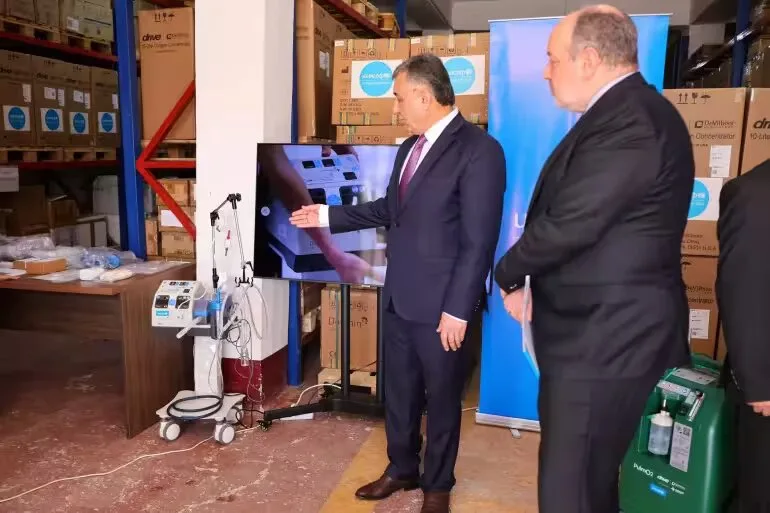
Afghanistan neonatal care programme receives equipment boost
Муаллиф: Modern Medical Solutions Editorial Team
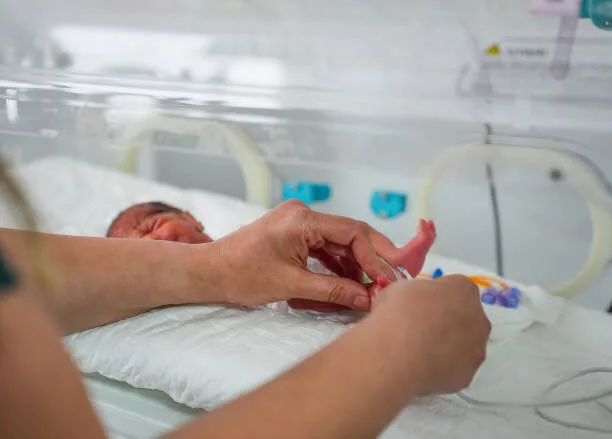
UNICEF and MoPH jointly procured 120 neonatal resuscitation units and 80 incubators for maternity hospitals across 12 provinces, significantly expanding Afghanistan's capacity to manage premature births and newborn emergencies.
Strengthening Newborn Care Capacity
Newborn survival is one of the most sensitive indicators of a health system's maturity, because it depends on equipment, skills and organisation working together in the first minutes of life. The joint procurement by UNICEF and MoPH of 120 neonatal resuscitation units and 80 incubators for maternity hospitals across 12 provinces targets exactly that convergence, expanding capacity to manage premature births and newborn emergencies in the places where the need is often greatest and least well served.
Resuscitation units and incubators serve distinct but complementary roles across the care pathway. One supports the critical transition in the moments immediately after birth, the other sustains vulnerable infants through the fragile days that follow. Procuring both in volume reflects an understanding that neonatal care is a continuum rather than a single intervention, and that gaps at either end of that continuum undermine the value of investment in the other.
How Equipment Fits The Care Pathway
Neonatal resuscitation equipment is designed for immediate use in the delivery room, where trained hands and functioning devices together determine outcomes in a matter of minutes. Incubators then provide the controlled environment that premature and unwell newborns require, regulating temperature and reducing physiological stress during recovery. Distributing this equipment across 12 provinces spreads capability beyond central hospitals, bringing higher-level newborn care closer to families who might otherwise face long and risky transfers at the worst possible time.
The clinical logic favours breadth here for a reason. Because obstetric emergencies are unpredictable and acutely time-critical, capacity concentrated in a single region leaves large populations dangerously exposed. Wide geographic distribution, even at modest volumes per site, tends to prevent more harm than deep concentration in a few advanced units, provided each receiving facility also has the staff and support to use what it receives.
Getting equipment of this kind to twelve provinces is itself a logistical achievement that depends on careful import and clearance support. Incubators are bulky and delicate, resuscitation units come with fragile accessories, and both must arrive complete, correctly documented and undamaged. A single missing component or delayed customs clearance can leave a maternity unit with equipment it cannot yet safely use, which is why the unglamorous distribution work matters as much as the procurement decision behind it.
Skills That Make Devices Count
Neonatal equipment is only ever as effective as the teams operating it under pressure. Resuscitation demands practised technique and calm decision-making, and incubator care requires nursing staff fluent in monitoring, infection control and the subtle early signs of newborn deterioration. A device programme without a parallel investment in training risks equipping rooms that lack the confident hands to use them well, which is why structured teaching and mentorship belong inside the initiative rather than beside it as an optional extra.
Sustained competence also requires regular practice and refreshers rather than a single course. Skills fade without application, so facilities that maintain drills and ongoing mentoring preserve capability far better than those relying on one training event at the point of delivery. Building this discipline into daily routine is what converts a delivery of incubators and resuscitation units into durable clinical capacity that endures well beyond the programme.
Keeping Neonatal Devices Running
Incubators and resuscitation units carry real and continuing maintenance demands: they require power stability, calibration, replacement parts and consumables to remain safe for the infants they support. In dispersed maternity hospitals, securing these supports is considerably harder than in a central facility, and neglected servicing can quietly render equipment unsafe rather than merely idle. Planning for maintenance financing and technician access from the outset is therefore essential to the programme delivering on its promise.
Reliable power deserves particular attention in this setting, since incubators depend on continuous electricity to protect the vulnerable infants inside them. Backup arrangements and preventive servicing are not optional extras but core conditions for safe neonatal care, and their absence can turn a life-saving device into a hazard during exactly the kind of interruption that dispersed facilities experience most often.
Measuring Success Beyond The Handover
The meaningful measure of this programme will not be units delivered but capacity that genuinely endures. Success looks like functioning equipment months and years later, staffed by teams who use it confidently and supported by supply chains that keep consumables flowing without interruption. Expanding capacity is the headline achievement; sustaining it is the deeper one, and the two are frequently separated by the quality of operational planning done quietly behind the scenes.
For the wider system, distributed neonatal capability also relieves referral pressure on central hospitals and shortens the distances families must travel in emergencies, a benefit that compounds quietly over time as more newborns are managed safely closer to home rather than lost in transit or turned away for lack of a functioning unit.
Monitoring the programme against these operational measures, rather than against the initial procurement figures alone, is what allows planners to intervene early when a unit falls silent or a supply line falters. The distinction between capacity delivered and capacity sustained is not merely rhetorical; it is the difference between a maternity hospital that can consistently manage a premature birth at three in the morning and one that could do so only in the weeks immediately after the equipment first arrived.
The Role Of Reliable Regional Supply
Consumables, spare parts and correctly certified replacements are what keep neonatal units operating between funding cycles and long after the initial procurement. A registered regional distributor understands the documentation, warehousing and resupply logistics that determine whether an incubator stays in service or waits months for a single part. Treating supply as an ongoing relationship, rather than a one-off delivery, is what underpins the sustainability that every neonatal programme aspires to but not all achieve.
This is the perspective a distributor brings to the whole regional picture, and it complements the clinical ambition behind the programme. Hospitals can review the broader logic of dependable supply and support through our range of services, but the underlying point is simple: newborn equipment saves lives only for as long as it works, and keeping it working is a shared responsibility that extends well beyond the day the incubators are first switched on in a maternity ward.
Саволҳои зуд-зуд додашаванда
What infrastructure do incubators require to operate safely?
Incubators depend on a stable power supply, so reliable electricity and backup arrangements are essential to protect the infants inside. They also need routine calibration, preventive servicing and a supply of consumables. Trained nursing staff must monitor temperature, humidity and the newborn's condition continuously. Where power or maintenance is unreliable, equipment can become unsafe rather than simply unavailable, which makes infrastructure planning central to any neonatal programme.
Why distribute neonatal equipment across many provinces rather than concentrating it?
Obstetric and newborn emergencies are unpredictable and time-critical, so capacity concentrated in one region leaves large populations far from help. Distributing equipment across many provinces brings higher-level care closer to families and reduces risky long-distance transfers. Even modest volumes at each site can prevent significant harm, provided every location also has trained staff, reliable power and maintenance support to keep the equipment functioning.
How do facilities keep neonatal resuscitation skills current?
Resuscitation competence fades without regular practice, so facilities maintain it through periodic drills, refresher training and ongoing mentorship rather than a single course. Embedding these routines into normal operations ensures that staff remain confident when an emergency arrives. Pairing equipment delivery with structured, repeated training is what turns newly supplied devices into dependable clinical capacity over the long term.