Interventional cardiology training programme for Afghan physicians
By Modern Medical Solutions Editorial Team

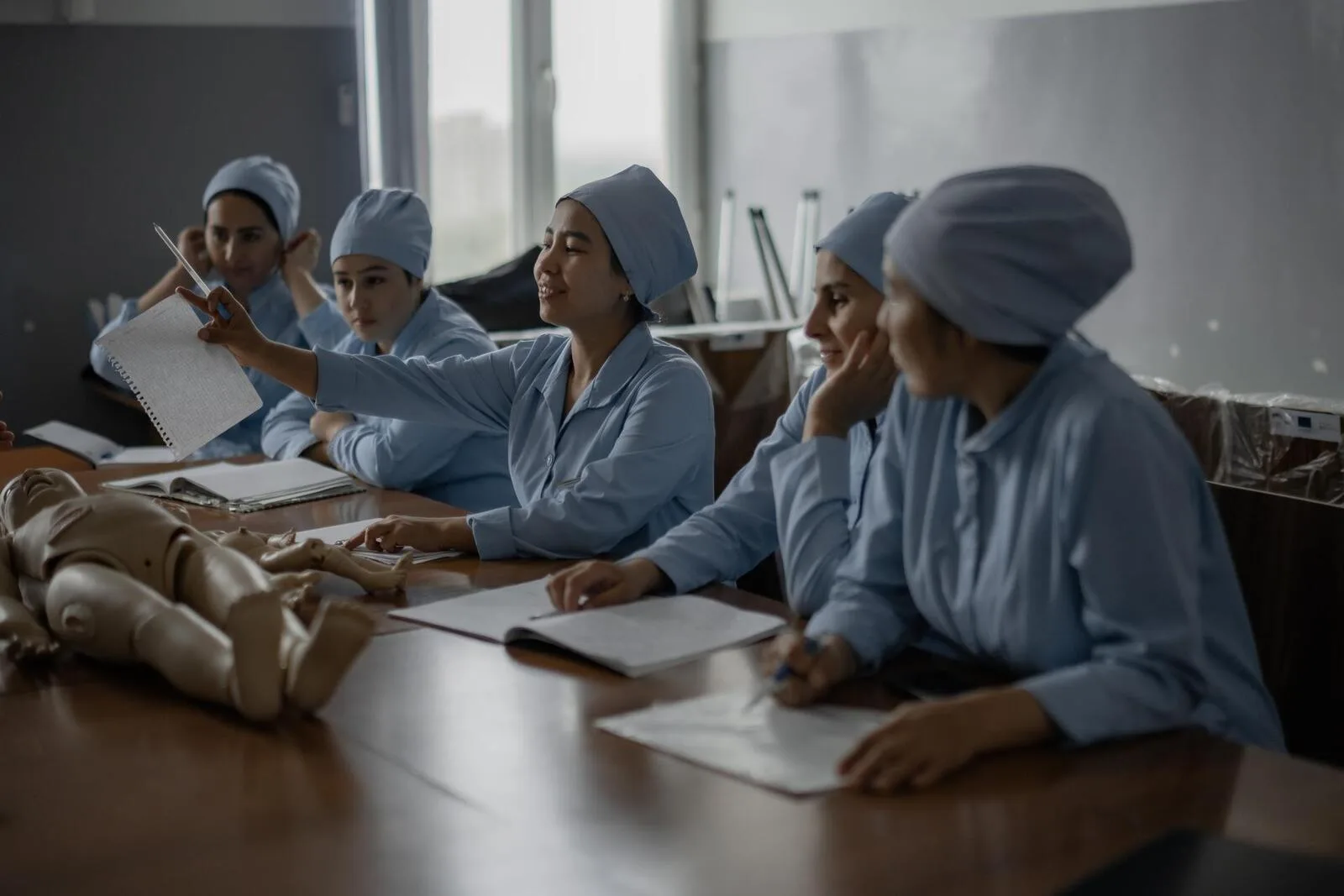
Fifteen Afghan cardiologists completed an intensive hands-on training course covering coronary guidewire techniques, balloon angioplasty and stent deployment, supported by international medical educators and device specialists.
Training is the least visible and most decisive investment in any interventional programme, because equipment without skilled operators achieves nothing at all. A hands-on course covering guidewire technique, balloon angioplasty and stent deployment addresses the true bottleneck in expanding coronary intervention: the number of physicians confident to perform it safely and independently, without permanent reliance on visiting proctors or overseas referral.
The choice of a hands-on format is significant in its own right. Percutaneous coronary intervention is a manual craft as much as a body of knowledge, and competence is built through supervised repetition rather than lectures alone. Cohort-based training also seeds a peer community that can sustain standards long after the course ends, which is often what separates a durable programme from a one-off event that leaves little behind once the visiting teachers depart and everyday pressures resume.
The Craft of Coronary Guidewire Technique
At the heart of coronary intervention is wire skill. Navigating a guidewire across a stenosis, and especially across a chronic total occlusion, demands fine tactile feedback and an understanding of how different wire designs behave under load. Frontline wires prioritise trackability and safety, while dedicated CTO wires trade softness for penetration, and knowing when to escalate between them is a core competency that only develops with practice under the eye of someone who has made those judgements many times before.
This granularity is why device familiarity is inseparable from training. A physician who understands the handling of a frontline coronary guidewire and how it differs from a stiffer crossing wire makes better real-time decisions under pressure. The Asahi Intecc guidewire range illustrates how a single manufacturer can span this spectrum, and learning across such a range accelerates the practical judgement that distinguishes a confident operator from a hesitant one.
From Balloon Angioplasty to Stent Deployment
Once a lesion is crossed, balloon angioplasty prepares the vessel and stent deployment restores durable patency. Each step carries its own decisions: balloon sizing, inflation strategy, stent selection and post-dilatation. Training must build not only the manual sequence but the judgement to recognise complications such as dissection or no-reflow and to respond calmly, since composure under complication is itself a skill that must be rehearsed rather than assumed to arrive spontaneously when it is first genuinely needed.
The analytical value of structured training lies in standardising these judgements across a cohort. When fifteen physicians learn a consistent, evidence-aligned approach, the result is not fifteen isolated operators but the nucleus of a national standard of practice. That shared consistency is what allows quality to be maintained and audited as case volumes grow, and it lets experienced peers mentor newcomers against a common reference.
Why International Educators and Specialists Collaborate
Training of this kind typically draws on international medical educators and device specialists working alongside local physicians, and that collaboration reflects how interventional knowledge actually transfers. Experienced proctors bring hard-won technique, while device specialists explain the design rationale behind each wire, balloon and stent so that operators understand not just how a tool behaves but why it was engineered that way. Both perspectives together accelerate real competence.
The collaboration also has to be calibrated to local realities rather than imported wholesale. Techniques and equipment mixes that suit a well-resourced foreign laboratory may need adaptation to the case mix, staffing and supply conditions a physician will return to. Good training programmes acknowledge this explicitly, teaching principles that travel rather than rigid protocols that assume resources the trainee may not have.
Analytically, the aim of such collaboration is to make itself unnecessary over time. A programme succeeds when it seeds enough local expertise that the trained cohort can eventually teach the next generation themselves, converting an external intervention into a self-sustaining national capability that no longer depends on visitors.
Managing Complications and Building Judgement
The mark of a mature interventionist is not flawless procedures but sound handling of the moments when things do not go to plan. Coronary dissection, perforation, no-reflow and abrupt vessel closure are recognised hazards, and a training programme earns its value by teaching physicians to anticipate, recognise and manage them calmly. Rehearsing complications is uncomfortable but indispensable, because the reflexes it builds are precisely those that patients depend on when a routine case turns unexpectedly difficult without warning.
Judgement of this kind cannot be transmitted through slides alone; it accrues through repeated exposure under supervision, where an experienced proctor can explain why a particular wire behaved as it did or why a strategy needed to change mid-case. This is the tacit knowledge that turns a technically competent operator into a genuinely safe one.
The analytical point is that safety and capability are two sides of the same coin. A cohort trained to handle adversity expands not only what a centre can attempt but the confidence with which it attempts it, and that confidence, grounded in preparation, is itself a clinical asset worth cultivating deliberately.
Turning Trained Operators Into Lasting Capacity
A course ends; a workforce endures only if newly trained operators keep practising with adequate case volume, mentorship and dependable consumables. Skills decay without repetition, so the return on training depends heavily on whether these physicians return to centres equipped to let them operate. This links workforce development directly to equipment supply and case-flow planning, which cannot be treated as separate problems.
Trained operators do their best work with steady access to the coronary guidewires and support devices they trained on. Continuity between the equipment used in training and the equipment available in daily practice removes a common source of hesitation and helps convert a course into durable clinical capacity rather than a certificate that fades from disuse. When operators can rely on familiar, well-supplied consumables, the investment made in their training continues to pay dividends long after the proctors have gone, and the cohort becomes a genuine national asset rather than a fleeting achievement.
Frequently asked questions
Why does a hands-on format matter for interventional cardiology training?
Percutaneous coronary intervention is a manual craft where competence is built through supervised repetition, not lectures alone. Hands-on training lets physicians develop the tactile feedback needed for wire navigation, balloon sizing and stent deployment, and to rehearse responses to complications. Cohort formats also create a peer community that helps sustain consistent standards once trainees return to their own centres to work independently.
What supports newly trained cardiologists once a course ends?
Skills decay without repetition, so sustained capacity depends on adequate case volume, mentorship and dependable consumables at the operator's home centre. Continuity between training equipment and daily-practice equipment matters, because familiar guidewires and support devices reduce hesitation. Aligning workforce development with reliable supply of coronary consumables is what converts a training course into lasting clinical capability.