Healthcare workforce training
By Modern Medical Solutions Editorial Team

National training initiatives continue to improve the skills of physicians, nurses and biomedical professionals.
Skills as the Backbone of Service Delivery
Equipment and buildings matter, but the workforce ultimately delivers the care that patients experience. National training initiatives that develop physicians, nurses and biomedical professionals therefore invest in the one asset that determines whether every other resource is used well or squandered. For clinical service delivery, competent and confident staff translate directly into safer procedures, sharper triage and fewer avoidable complications, especially in settings where a single clinician carries broad responsibility across many conditions.
The analytical lens here is that training is not a cost centre but a multiplier applied to everything else a health system owns. A well-trained team extracts far more value from the same diagnostic machine or treatment device than an undertrained one ever could, which is why workforce development tends to yield outsized returns across an entire system. Neglecting it, conversely, leaves expensive equipment underused and clinical potential unrealised.
Including Biomedical Professionals in Training
Biomedical engineers and technicians are frequently overlooked in clinical training conversations, yet they are the people who keep equipment safe and available for use. Programmes that deliberately include them alongside physicians and nurses close a critical loop: clinicians who understand a device's limits, working with technicians who can maintain and repair it, together sustain services that would otherwise stall at the first serious fault. This partnership is where reliability is actually built.
This integrated approach matters most for complex or image-guided procedures, where the interplay of operator skill and equipment readiness is especially tight and unforgiving. Building shared understanding across these roles is a hallmark of mature service delivery, and it directly reduces the equipment downtime that quietly erodes patient access. A hospital that trains only its clinicians, and leaves its technical staff to learn on the job, will feel the gap every time a device misbehaves.
Sustaining Competence After Initial Training
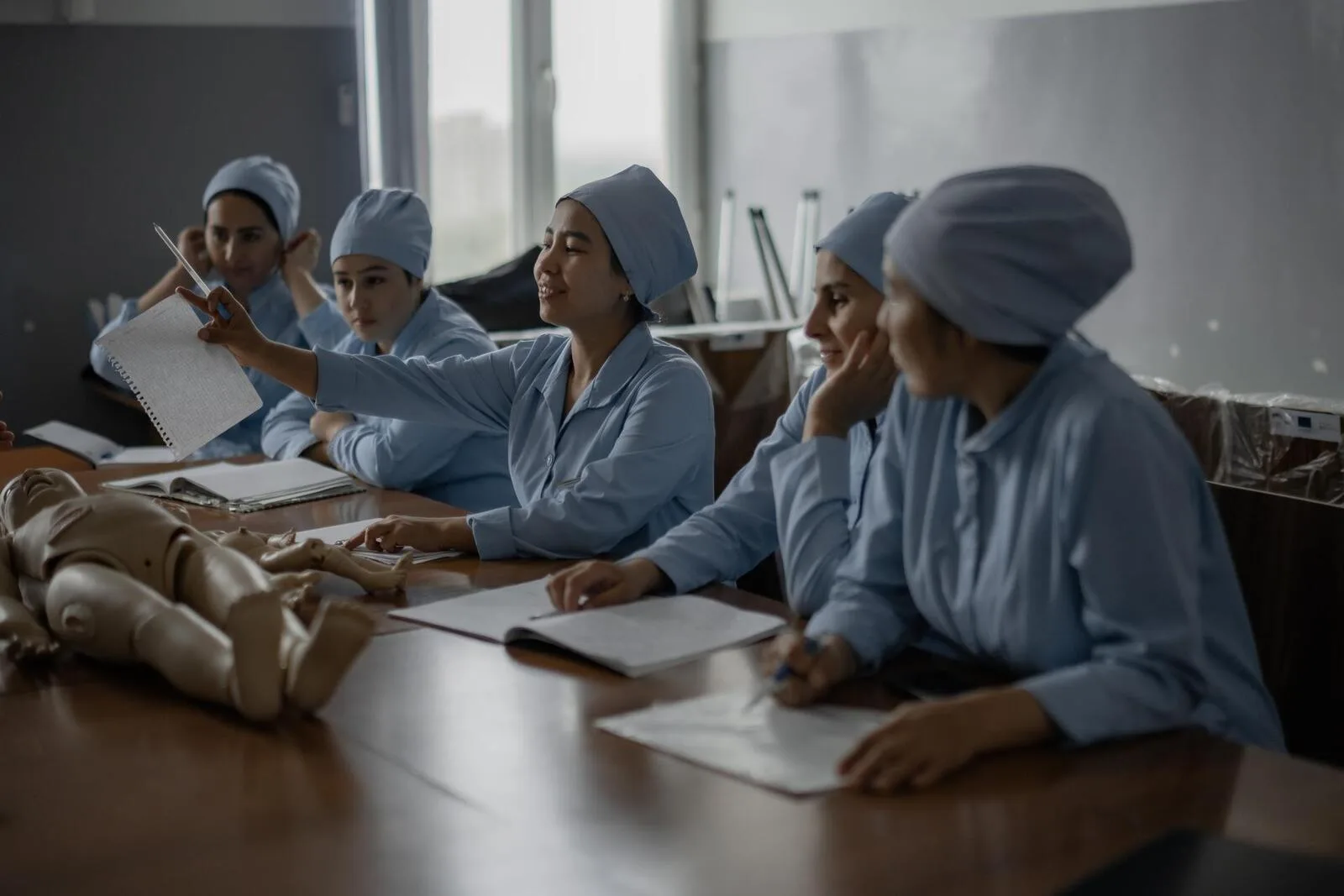
A single course rarely embeds lasting skill on its own. Sustained competence depends on repetition, supervision and periodic refresher learning, particularly for procedures that are performed infrequently and are therefore easy to forget. National initiatives that build ongoing pathways, rather than one-off workshops celebrated with a certificate, tend to produce durable improvement, because clinical skills fade without regular practice and published guidelines change over time in ways that staff must keep up with.
The service-delivery caution is that training gains can quietly reverse when staff turnover is high or when new recruits are not brought up to the same standard as those already trained. Institutions that treat education as a continuous process, with structured mentoring and supportive supervision, protect their investment and keep care consistent as teams inevitably change. Without that continuity, a health system can find itself repeatedly paying to relearn skills it thought it had already secured.
Connecting Training to Real Equipment
Training is most effective when it is grounded in the specific tools staff actually use in their daily work. Familiarity with particular device classes, from patient monitoring through to catheter-based procedures, lets clinicians apply their learning immediately rather than translating abstract lessons into unfamiliar practice under pressure. Programmes that align education with a facility's genuine equipment base, which teams can review across the full product catalogue, avoid the frustration of skills that cannot be practised for want of matching hardware.
This alignment also protects the return on equipment investment. A device is only as useful as the number of staff confident to operate it well, so training and procurement should be planned as two halves of one decision rather than in separate silos. When a facility buys new technology without funding the corresponding training, it often ends up with a capable machine that only one or two people dare to use, which is a fragile and inefficient basis for a clinical service.
Retaining Trained Staff Within the System
Retention is the final and often decisive piece of the workforce puzzle. Investing in skills only pays off if trained professionals remain within the system, so career pathways, supportive supervision and reasonable working conditions are inseparable from any serious training policy. When skilled staff leave, they take hard-won expertise with them, and the facility must begin the expensive cycle of recruitment and training all over again while services suffer in the interim.
When staff feel that their development is genuinely valued and that progression is possible, they are considerably more likely to stay and to mentor those who follow. That stability keeps expertise where patients benefit from it and allows a culture of good practice to mature over years. Organisations supporting the sector can read how a regional supplier fits into this workforce picture on our about page.
Training That Follows Real Patient Pathways
The most effective training mirrors the actual journey a patient takes through a facility rather than teaching skills in isolated fragments. When education follows the pathway from presentation and triage through investigation, treatment and discharge, staff learn how their individual role connects to those around them. That systems view reduces the handover failures and coordination gaps that so often cause harm, and it helps teams see care as a continuous responsibility rather than a series of disconnected tasks.
Through a service-delivery lens, pathway-based training also exposes where a facility's real weaknesses lie. Rehearsing a full patient journey reveals bottlenecks, missing equipment and unclear responsibilities that a narrow, task-focused course would never surface. Using training to stress-test the system in this way turns professional development into a diagnostic exercise for the whole service, informing not just what staff need to learn but where wider investment and reorganisation would do the most good for patients.
This approach also strengthens the teamwork that good care depends on. When physicians, nurses and biomedical staff train around a shared patient journey, they build a common understanding of one another's roles and constraints, which pays off during the pressured moments when clear communication matters most. Over time, such joint training fosters a culture in which staff anticipate each other's needs rather than working in parallel silos, and that cohesion is itself a quiet but powerful contributor to safer, smoother clinical service delivery.