ASAHI SION® Guidewire: The Benchmark Coronary Frontline Wire Explained
By Modern Medical Solutions Editorial Team
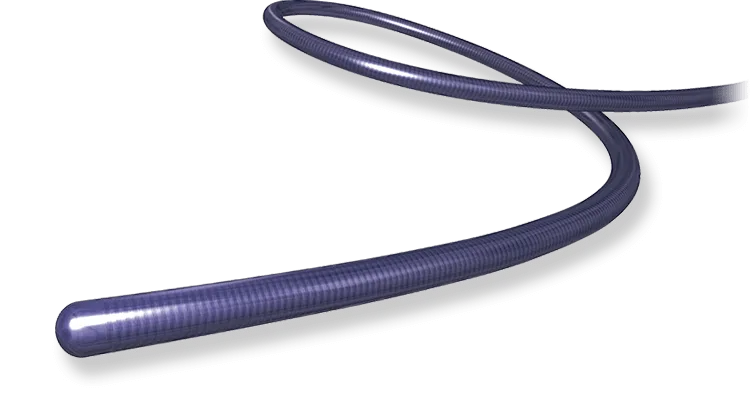
The ASAHI SION® remains the most widely cited frontline coronary guidewire in the PCI literature — this clinical guide covers its ACT ONE construction, tip-load specifications, catalog variants, and practical technique tips for interventional cardiologists.
What Is the ASAHI SION®?
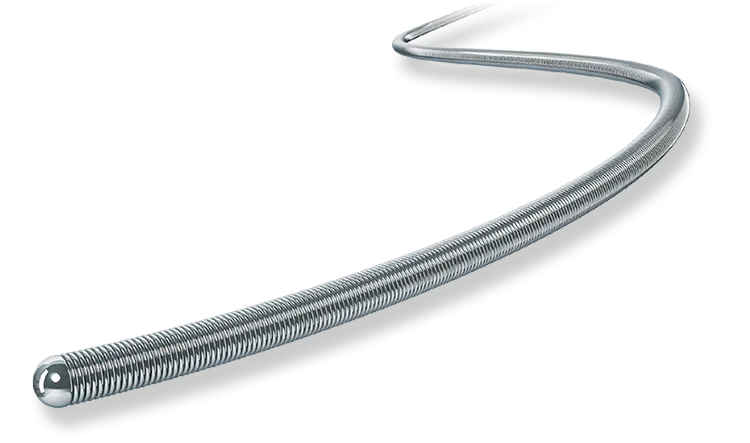
The ASAHI SION® is a 0.014-inch coronary guidewire manufactured by Asahi Intecc using the company’s proprietary ACT ONE core construction. ACT ONE refers to a composite core that transitions from a stainless-steel proximal shaft to a nitinol distal segment, providing a predictable balance between pushability from the guide catheter and tip flexibility at the lesion. The result is a wire that transmits torque with high fidelity while absorbing the micro-vibrations that can cause tip prolapse in tortuous anatomy.
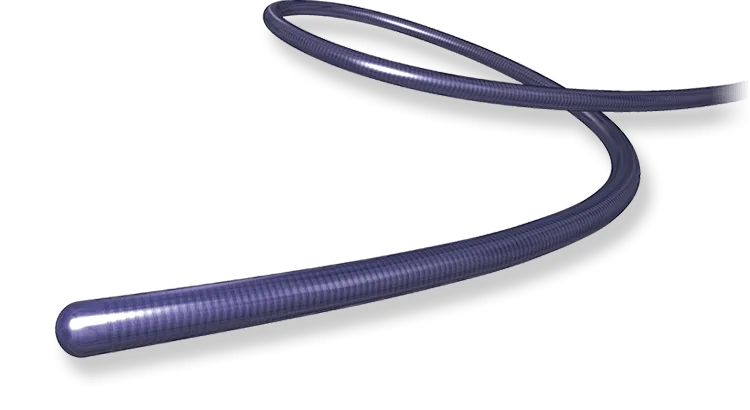
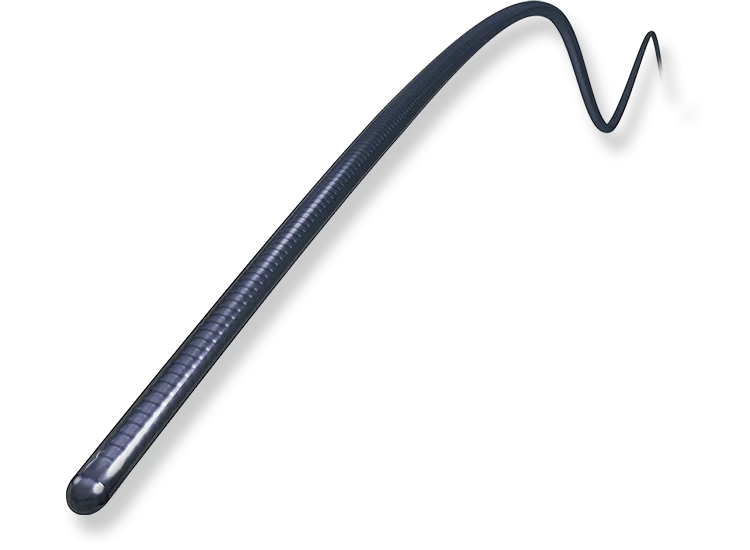
Since its introduction, the SION has become the most frequently used reference wire in head-to-head coronary guidewire studies, reflecting its role as the de-facto standard for first-pass lesion wiring in elective PCI. Its 0.7 gf tip load sits between the softer SION Blue (0.5 gf, preferred for side branches) and the firmer SION Black (0.8 gf, preferred for mildly resistant lesions), making it the versatile middle option in the SION family.
The distal 28 cm is a coil-wound segment covered by a 28 cm hydrophilic coating zone, reducing friction during device advancement. The tip is available in straight and J configurations, and the wire is supplied in standard 180 cm and exchange-length 300 cm options.
Technical Specifications
Outer diameter: 0.014 inch (0.36 mm) throughout, compatible with all 0.014-inch rapid-exchange and over-the-wire systems. Tip load: 0.7 gf — measured as the force required to cause 1 mm of tip deflection at 45°. Coil length: 28 cm. Hydrophilic coating zone: 28 cm from the tip. The hydrophilic layer is applied over the coil segment to reduce friction during balloon and microcatheter advancement over the wire.
The ACT ONE nitinol distal segment provides shape retention after tip shaping, meaning operators who pre-shape the tip to 30–45° will find the angle maintained throughout the procedure. The proximal stainless-steel shaft ensures the pushability needed to advance balloons in calcified or angulated proximal segments without shaft prolapse.
Catalog numbers: AHW14R001S (straight, 180 cm), AHW14R301S (straight, 300 cm), AHW14R001J (J-tip, 180 cm), AHW14R301J (J-tip, 300 cm). The 300 cm exchange-length variants support over-the-wire device exchanges and are recommended for procedures requiring balloon or microcatheter changes without losing wire position.
How SION Compares to Alternatives
Within the SION family: SION Blue (0.5 gf) is softer, uses a silicone + hydrophilic hybrid coating rather than a full hydrophilic coating, and is preferred for side-branch wiring and fragile distal vessels. SION Black (0.8 gf) adds a polymer jacket over the distal 40 cm for enhanced pushability and is chosen when the standard SION tracks through the vessel but cannot engage mildly resistant plaques. The SION occupies the workhorse position between these two.
Against non-Asahi frontline wires: The SION is most frequently compared to the Abbott BMW (Balance Middleweight) and Terumo Runthrough NS in published PCI studies. The primary differentiator is the ACT ONE core’s torque transmission quality, which operators describe as more responsive than standard stainless-steel-only cores, particularly in vessels with multiple bends proximal to the lesion.
For CTO cases, the SION is generally not the first-choice wire once a chronic total occlusion is confirmed. In those scenarios, operators escalate to Fielder XT, Gaia series, or Confianza Pro depending on lesion characteristics. The SION may be used as a parallel wire or a donor-vessel wire during retrograde CTO approaches.
Clinical Applications and Indications
The SION’s primary indication is first-pass wiring in elective and urgent PCI across all coronary territories. It is suitable for simple de-novo lesions, moderately tortuous vessels, and moderately calcified plaques where the tip load of 0.7 gf is sufficient to direct the wire into the true lumen without risking vessel injury. In STEMI cases, the SION is a common first-choice wire due to its predictable handling under time pressure.
In bifurcation PCI, the SION is typically used as the main-vessel wire while SION Blue is used for the side branch, taking advantage of the complementary tip-load profiles in the same family. For ostial lesions requiring precise wire positioning before stenting, the SION’s 1:1 torque response enables confident tip steering under fluoroscopy.
The SION is also used as a base wire during rotational atherectomy setup, positioned in the vessel while the burr is advanced over it. Its shaft stiffness profile is appropriate for this role in most cases, though operators occasionally prefer a stiffer support wire for calcified proximal vessel segments.
Technique and Usage Tips
Tip shaping: For straight vessels, a gentle 30° primary bend 1–2 mm from the tip is sufficient. For angulated take-offs or bifurcations, a secondary bend at 4–6 mm creates a double-curve shape that improves directional control. The nitinol distal segment retains these shapes reliably throughout the procedure, unlike some stainless-steel wires that progressively lose their pre-shaped angle.
Rotation technique: The SION responds well to quarter-turn rotations with simultaneous gentle forward pressure. Over-rotation risks coil unwinding and should be avoided; if resistance is felt, partially withdraw before re-attempting. In tight lesions, a small-profile balloon (1.2–1.5 mm) advanced over the SION provides additional tip support and can assist crossing in cases where the wire alone deflects.
Wire removal: After stent deployment, withdrawing the SION through stent struts should be done with steady traction rather than rotation to prevent strut disruption. If resistance is encountered, deflate any adjacent balloon fully before wire retrieval. The hydrophilic coating facilitates smooth withdrawal but requires the wire surface to remain wet throughout the procedure.
Ordering and Availability Through Modern Medical Solutions
Modern Medical Solutions is the authorised Asahi Intecc distributor for Tajikistan and Afghanistan. The full SION family — SION (AHW14R001S, AHW14R301S, AHW14R001J, AHW14R301J), SION Blue, and SION Black — is available for direct supply to interventional cardiology centres in both countries. Emergency orders and scheduled consignment stock arrangements can be discussed through the contact page.
Clinical specialists at Modern Medical Solutions can provide proctoring support, procedural technique guidance, and comparative product information to assist catheterisation laboratory teams in selecting the appropriate SION variant for their patient population. Reference source for device specifications: medical.asahi-intecc.com.