LVIS™ & LVIS™ JrРамзи маҳсулот (REF): 212517-CAS
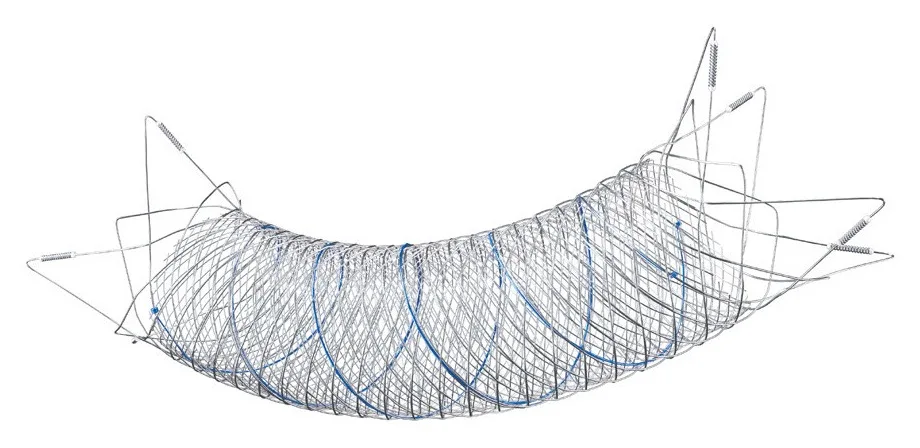
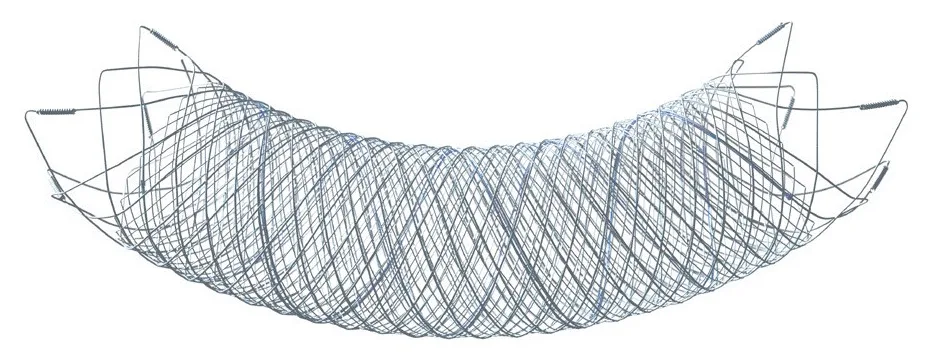
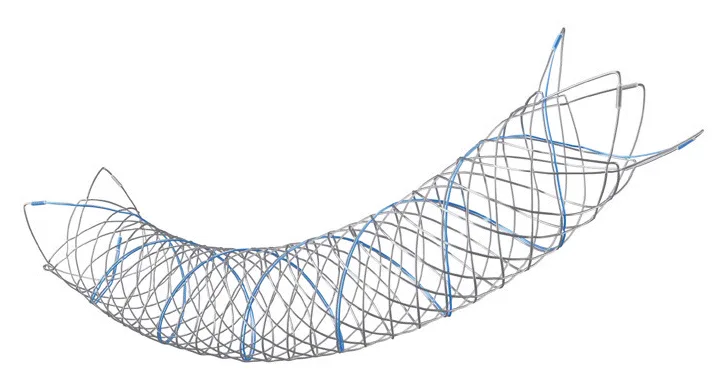
LVIS™ (Low-profile Visualized Intraluminal Support) and LVIS™ Jr are braided, closed-cell intracranial stents designed to assist coil embolization of wide-neck aneurysms. The stent is placed in the parent artery spanning the aneurysm neck, preventing coil loops from herniating into the parent vessel during packing and allowing higher coil fill densities than are achievable with balloon assist alone. The braided construction provides full-length radiopacity — every strut is visualized under fluoroscopy — enabling precise deployment and accurate post-deployment assessment. Beyond mechanical coil containment, the LVIS platform's higher metallic surface area also contributes a mild flow diversion effect, further promoting progressive thrombosis of the aneurysm sac over time. This dual mechanism of coil support plus flow modification makes LVIS particularly useful in fusiform or partially thrombosed aneurysms where pure coil embolization is insufficient. LVIS is delivered through a Headway 17 or 21 microcatheter; LVIS Jr is designed for vessels down to 2.0 mm where the standard LVIS would oversize. LVIS is available in nominal diameters from 3.5 mm to 5.5 mm with working lengths from 12 mm to 32 mm. LVIS Jr covers 2.5 mm to 3.5 mm diameters with working lengths from 13 mm to 33 mm.
Таҳти рамзҳои маҳсулот 212517-CAS, 212525-CAS, 212912-CAS, 212917-CAS, 212922-CAS, 212928-CAS, 212931-CAS, 213015-CAS ва боз 12 рамзи дигар (ба бахши «Маълумот барои фармоиш» дар поён нигаред) дастрас аст.
Андозаҳо ва хусусиятҳо
- Diameter
- 2.5 mm – 5.5 mm
- Length
- 15 mm – 32 mm
- Delivery microcatheter
- Headway 17 / 21
Истеҳсолкунанда: Terumo Neuro (MicroVention, Inc.) · Манбаи маълумот: terumoneuro.com
Тарҳ ва технология
Хусусиятҳои техникӣ ва диаграммаҳо тибқи нашрияҳои Terumo Neuro (MicroVention).
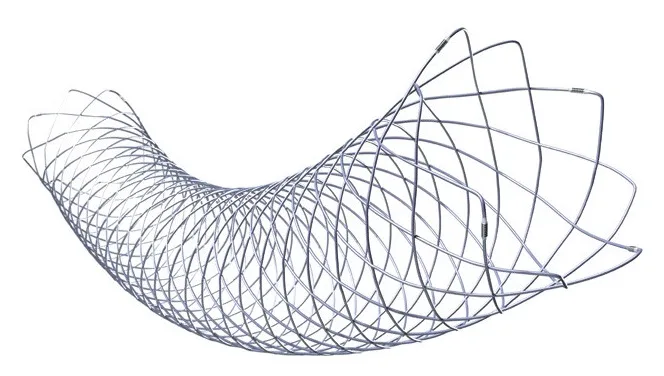
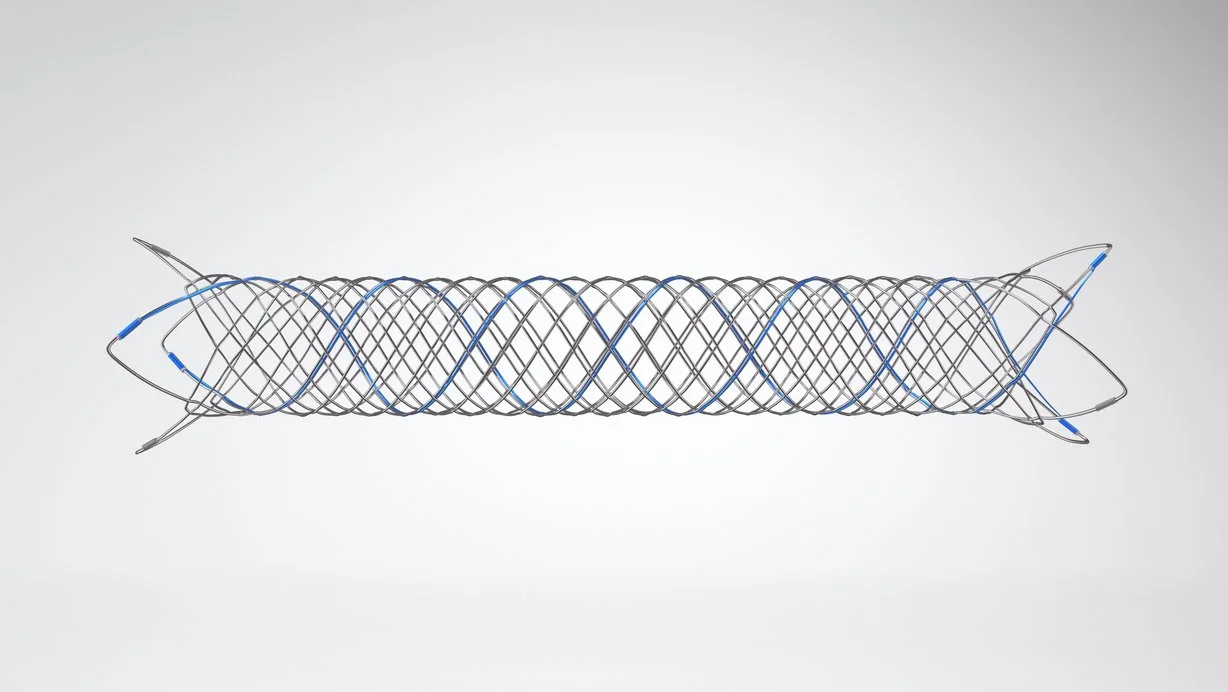
LVIS™ and LVIS™ Jr. devices are braided coil assist stents used for aneurysm embolization.
Control & Visibility
The braided construction allows physicians to control the stent deployment to achieve optimal placement. Radiopaque strands along the entire stent body allow physicians to visualize the stent expansion.
Conformance to Vessel Wall
The braided design allows individual wires to slide during deployment, allowing the stent to conform to the shape of the vessel, even in tortuous anatomies
Coil Mass Support
The high metal coverage and small pore size provide consistent support of coil mass including small finishing coils
Муайянкунӣ ва хусусиятҳои маҳсулот
Идентификаторҳои истинодӣ барои харид, бақайдгирӣ ва ҳуҷҷатҳои тендерӣ.
| Рамзи маҳсулот | 212517-CAS |
|---|---|
| Рақами REF | 212517-CAS, 212525-CAS, 212912-CAS, 212917-CAS, 212922-CAS, 212928-CAS, 212931-CAS, 213015-CAS, 213025-CAS, 213041-CAS, 214035-CAS, 214049-CAS, 172010-CASJ, 172014-CASJ, 172020-CASJ, 172032-CASJ, 172516-CASJ, 172524-CASJ, 172530-CASJ, 172537-CASJ |
| Истеҳсолкунанда | Terumo Neuro (MicroVention, Inc.) |
| Бренд | Terumo Neuro (MicroVention) |
| Оилаи маҳсулот | Стентҳо ва дастгоҳҳои тағйири ҷараён |
| Дастрасӣ аз рӯи кишварҳо | Тоҷикистон, Афғонистон |
Истифодаи клиникӣ
LVIS™ & LVIS™ Jr як intracranial stent аз оилаи «Стентҳо ва дастгоҳҳои тағйири ҷараён»-и истеҳсоли Terumo Neuro (MicroVention, Inc.) мебошад, ки аз ҷониби мутахассисони мудохилавӣ дар просессҳое истифода мешавад, ки дар онҳо intracranial stent-и ин синф нишон дода шудааст. Он дар 20 конфигуратсия (рамзҳои каталогӣ аз 212517-CAS то 172537-CASJ) барои мутобиқат бо талаботи анатомӣ ва просессӣ пешниҳод мешавад.
Барои нишондодҳои пурраи истифода, зидди нишондодҳо ва дастур оид ба истифода (IFU) ҳуҷҷатҳои расмии Terumo Neuro (MicroVention)-ро тавассути дастаи клиникии мо дархост кунед. Modern Medical Solutions LVIS™ & LVIS™ Jr-ро ба беморхонаҳо ва лабораторияҳои катетеризатсионӣ дар саросари Тоҷикистон ва Афғонистон таъмин мекунад.
Маълумот барои фармоиш
Рамзҳои истинодии каталогӣ тибқи нашрияҳои Terumo Neuro (MicroVention). Барои тасдиқи мавҷудияти ҷорӣ бо мо тамос гиред.
| Catalog # | Product Line | Diameter × Total Length (mm) | Working Length / Total Length by Target Vessel (mm) |
|---|---|---|---|
| 212517-CAS | LVIS | 3.5 x 17 | 2.5mm: 23/19 · 3.0mm: 20/16 · 3.5mm: 17/13 |
| 212525-CAS | LVIS | 3.5 x 22 | 2.5mm: 32/28 · 3.0mm: 27/23 · 3.5mm: 22/18 |
| 212912-CAS | LVIS | 4.0 x 12 | 2.5mm: 16/12 · 3.0mm: 15/11 · 3.5mm: 14/10 · 4.0mm: 12/8 |
| 212917-CAS | LVIS | 4.0 x 17 | 2.5mm: 27/23 · 3.0mm: 24/20 · 3.5mm: 21/17 · 4.0mm: 17/13 |
| 212922-CAS | LVIS | 4.0 x 22 | 2.5mm: 37/33 · 3.0mm: 34/30 · 3.5mm: 29/25 · 4.0mm: 22/18 |
| 212928-CAS | LVIS | 4.0 x 28 | 2.5mm: 48/44 · 3.0mm: 43/39 · 3.5mm: 37/33 · 4.0mm: 28/24 |
| 212931-CAS | LVIS | 4.0 x 31 | 2.5mm: 54/50 · 3.0mm: 48/44 · 3.5mm: 41/37 · 4.0mm: 31/27 |
| 213015-CAS | LVIS | 4.5 x 18 | 3.0mm: 28/24 · 3.5mm: 26/22 · 4.0mm: 22/18 · 4.5mm: 18/14 |
| 213025-CAS | LVIS | 4.5 x 23 | 3.0mm: 40/36 · 3.5mm: 36/32 · 4.0mm: 31/27 · 4.5mm: 23/19 |
| 213041-CAS | LVIS | 4.5 x 32 | 3.0mm: 57/53 · 3.5mm: 52/48 · 4.0mm: 44/40 · 4.5mm: 32/28 |
| 214035-CAS | LVIS | 5.5 x 30 | 4.0mm: 51/47 · 4.5mm: 45/41 · 5.0mm: 39/35 · 5.5mm: 30/26 |
| 214049-CAS | LVIS | 5.5 x 33 | 4.0mm: 58/54 · 4.5mm: 51/47 · 5.0mm: 43/39 · 5.5mm: 33/29 |
| 172010-CASJ | LVIS Jr | 2.5 x 13 | 2.0mm: 14/10 · 2.5mm: 13/9 |
| 172014-CASJ | LVIS Jr | 2.5 x 17 | 2.0mm: 18/14 · 2.5mm: 17/13 |
| 172020-CASJ | LVIS Jr | 2.5 x 23 | 2.0mm: 24/20 · 2.5mm: 23/19 |
| 172032-CASJ | LVIS Jr | 2.5 x 34 | 2.0mm: 36/32 · 2.5mm: 34/30 |
| 172516-CASJ | LVIS Jr | 3.5 x 18 | 2.5mm: 20/16 · 3.0mm: 19/15 · 3.5mm: 18/14 |
| 172524-CASJ | LVIS Jr | 3.5 x 23 | 2.5mm: 27/23 · 3.0mm: 25/21 · 3.5mm: 23/19 |
| 172530-CASJ | LVIS Jr | 3.5 x 28 | 2.5mm: 34/30 · 3.0mm: 32/28 · 3.5mm: 28/24 |
| 172537-CASJ | LVIS Jr | 3.5 x 33 | 2.5mm: 40/36 · 3.0mm: 37/33 · 3.5mm: 33/29 |
Ҳуҷҷатҳо ва маводҳо
Дастур оид ба истифода (IFU), варақаҳои техникӣ ва адабиёти клиникӣ барои LVIS™ & LVIS™ Jr аз рӯи дархост аз дастаи клиникии мо дастрас аст.
Дархости ҳуҷҷатҳоСаволҳои зуд-зуд додашаванда
- What is LVIS™ and what is it used for?
- LVIS™ (Low-profile Visualized Intraluminal Support) is a braided, fully radiopaque intracranial stent used to assist coil embolization of wide-neck aneurysms. It scaffolds the aneurysm neck from the parent artery, preventing coil loops from herniating into the vessel during packing and enabling higher final coil fill densities. Its high metallic surface area also contributes a mild flow diversion effect that supplements progressive aneurysm thrombosis.
- What is the difference between LVIS™ and LVIS™ Jr?
- LVIS covers nominal diameters 3.5–5.5 mm for standard-calibre intracranial vessels, delivered via Headway 17 or 21. LVIS Jr covers 2.5–3.5 mm nominal diameters for smaller intracranial vessels (parent artery ≥2.0 mm), also delivered via Headway 17 or 21. LVIS Jr uses the same braided closed-cell construction and full-length radiopacity as standard LVIS.
- What catalog numbers does LVIS™ come in?
- LVIS standard: 212517-CAS through 214049-CAS (3.5–5.5 mm × 12–32 mm working length). LVIS Jr: 172010-CASJ through 172537-CASJ (2.5–3.5 mm × 13–33 mm working length). Both lines are delivered via Headway 17 (for smaller sizes) or Headway 21.
- Does LVIS™ require antiplatelet therapy?
- Yes. As an intracranial stent, LVIS requires dual antiplatelet therapy (DAPT) — typically aspirin plus clopidogrel — started 3–5 days before the procedure and continued for 3–6 months post-procedure, transitioning to single antiplatelet thereafter. This antiplatelet requirement distinguishes stent-assisted coiling with LVIS from purely intrasaccular approaches like WEB SL that generally do not require long-term DAPT.
- What is the difference between LVIS™ and LVIS™ EVO?
- LVIS EVO is a newer, lower-profile stent with even closer matched delivery and deployment diameters for improved navigability in tortuous anatomy. It covers nominal diameters 2.5–4.0 mm. Both LVIS and LVIS EVO use braided construction and full-length radiopacity; LVIS EVO is preferred when delivery forces must be minimized in technically challenging access routes.