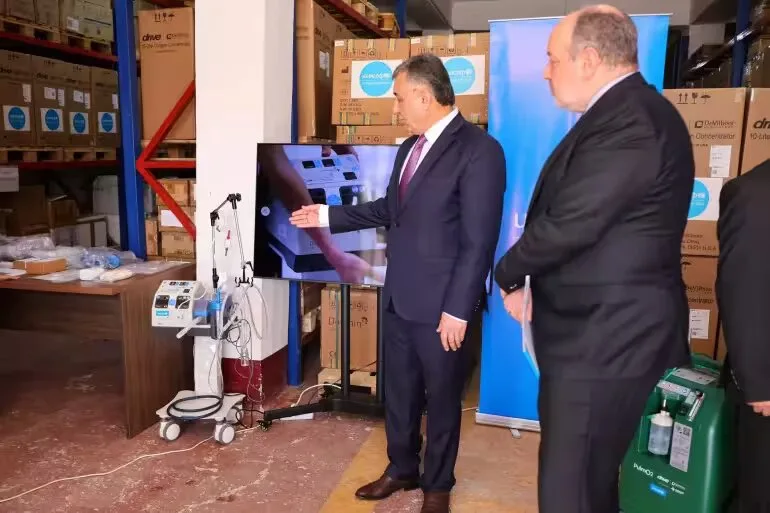
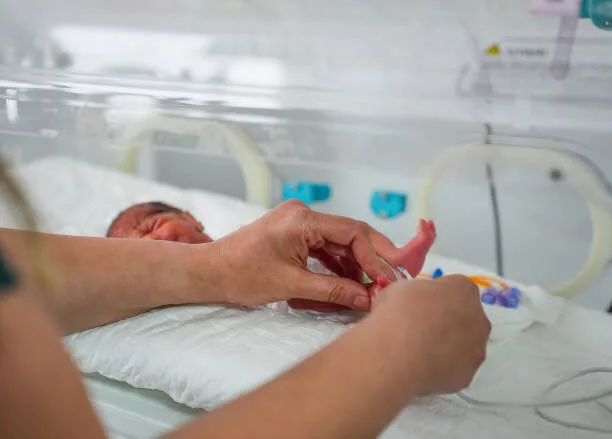
ICRC delivers critical medical supplies to Afghan trauma centres
By Modern Medical Solutions Editorial Team
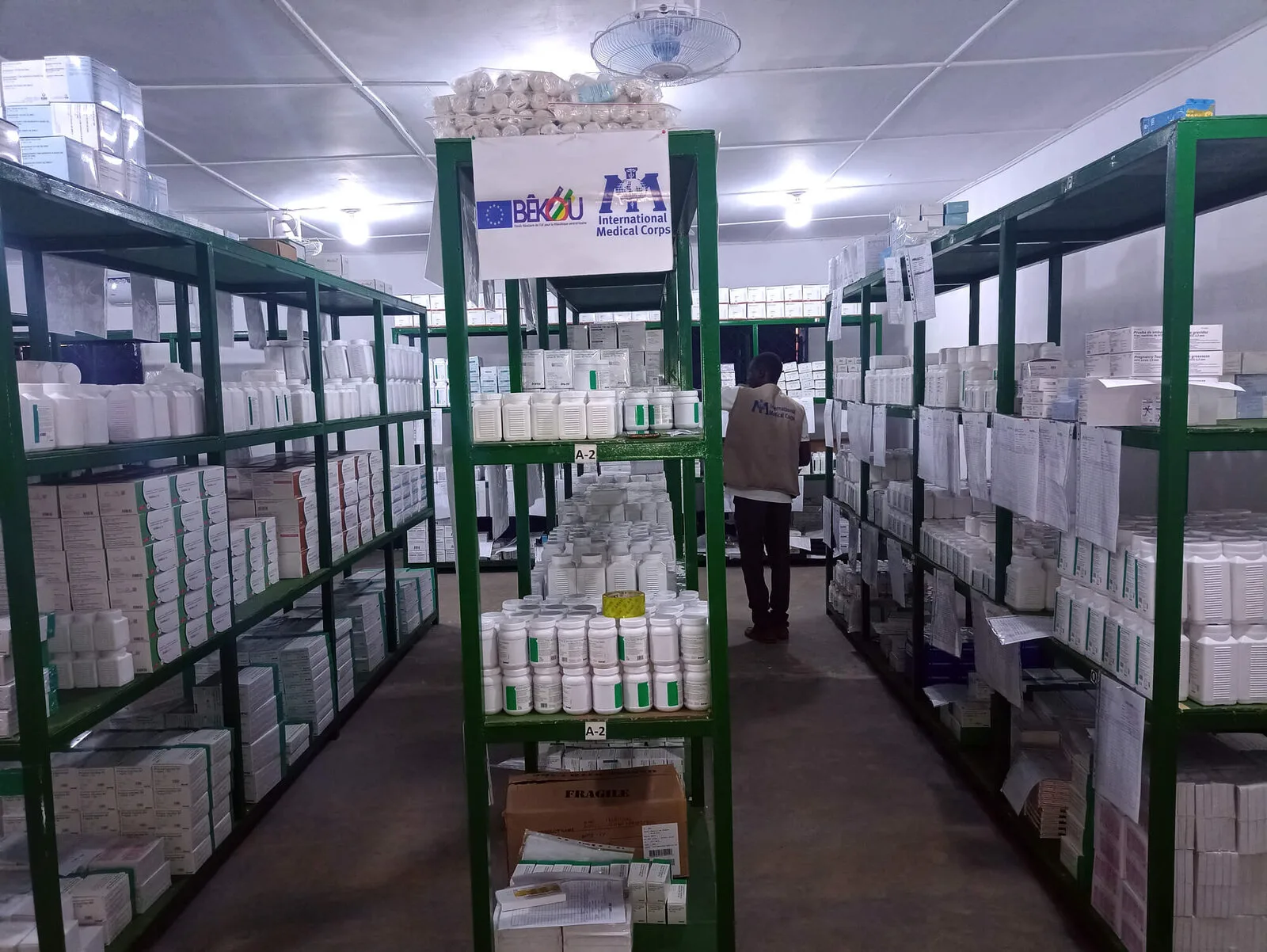
The International Committee of the Red Cross shipped emergency surgical kits, vascular access devices and resuscitation equipment to trauma centres in Kabul, Kandahar and Kunduz, restocking facilities that serve the country's highest-burden injury catchment areas.
Restocking trauma centres with surgical kits, vascular access devices and resuscitation equipment addresses the most time-critical corner of any health system. Trauma care runs on immediacy, and a facility that lacks basic access or resuscitation supplies cannot deliver the interventions that decide whether severely injured patients survive their first hour. Resupply of these essentials is life-preserving in the most literal and immediate sense imaginable, because a missing item here is not an inconvenience to be worked around but a gap that can prove fatal within minutes.
The International Committee of the Red Cross has a long-established role supporting health services in conflict-affected settings, concentrating on the essentials that keep emergency and surgical care functioning under strain. Directing supplies to the highest-burden catchments reflects a deliberate focus on where need is greatest, ensuring that finite resources reach the facilities carrying the heaviest and most unrelenting injury load.
Trauma catchments of this kind rarely enjoy the luxury of predictable demand. Injury patterns shift with events on the ground, and a centre may swing from routine caseloads to sudden surges with little warning. Supplies that assume steady consumption leave such facilities exposed at exactly the moments that matter most, which is why resupply aimed at the busiest sites has to account for volatility rather than averages when it is planned.
The Logic of Trauma-Centre Resupply
Trauma centres consume consumables at a rate few other departments can match, and they cannot pause when stock runs low. Emergency surgical kits, resuscitation equipment and vascular access devices are the baseline without which nothing else proceeds, so keeping them stocked is the precondition for every subsequent intervention. Prioritising the highest-burden catchments concentrates resources exactly where they will save the greatest number of lives.
This focus on essentials is strategically sound rather than merely pragmatic. In an emergency setting, sophistication counts for little if the fundamentals are absent, and reliable resupply of core items delivers more benefit than sporadic access to advanced technology that cannot be used without them. Consistency of the basics is the foundation on which every more ambitious capability necessarily rests.
Vascular Access as the First Interventional Step
Vascular access is where interventional care begins. Establishing a reliable route into the circulation is the prerequisite for fluid resuscitation, medication delivery and, ultimately, any catheter-based procedure. In trauma this step is both urgent and unforgiving, and having dependable access devices on hand shapes whether a patient can be stabilised at all before more definitive treatment becomes possible.
Through an interventional lens, this connects trauma resupply to the wider spectrum of vascular practice. The same principle of secure, appropriately sized access underlies procedures far beyond the emergency room, and the access and support catheter range is foundational across interventional disciplines. Trauma care and elective intervention share this common starting point, which is why reliable access supply matters system-wide rather than only in the resuscitation bay.
Resuscitation Equipment and the Golden Hour
Resuscitation equipment sits at the sharpest edge of trauma care. Airway devices, oxygen delivery, suction and the tools of haemorrhage control determine whether a critically injured patient survives long enough for definitive treatment to matter at all. The concept of a golden hour, in which early intervention disproportionately shapes outcome, underlines why these items must be immediately to hand and never depleted.
The dependence is unforgiving because the demand cannot be scheduled. A trauma centre does not know when it will need to resuscitate several patients at once, so its stock of core equipment must be sized for surges rather than averages. Restocking that anticipates this variability is far more valuable than resupply calibrated to typical days that mask the peaks that actually kill.
Analytically, resuscitation capacity is the true floor of a trauma service. Everything more advanced, from surgery to catheter-based intervention, presupposes that a patient can first be kept alive and stabilised, which makes the humble contents of a resuscitation trolley among the most consequential supplies a facility holds.
Concentrating Support Where Injury Burden Is Highest
Directing supplies to the highest-burden catchments reflects a form of triage applied at the level of the whole system. Just as a clinician prioritises the most urgent patient, a humanitarian body concentrates finite resources on the facilities carrying the heaviest injury load, because the marginal benefit of each kit is greatest where demand is most intense and relentless.
This logic also respects the reality of constrained supply. Spreading resources thinly across every facility regardless of need can leave the busiest centres still short while lightly used stores sit idle elsewhere. Concentrating support is therefore not neglect of quieter sites but a recognition that lives are saved most efficiently where the burden is heaviest.
The enduring question is whether concentrated support can be sustained rather than pulsed in isolated bursts. A single well-targeted delivery relieves immediate pressure, but the highest-burden centres need dependable, ongoing resupply if their capacity is to hold, which is where durable distributor relationships complement humanitarian action. Emergency donations address the acute shortfall; steady commercial supply chains are what keep a trauma service standing between one crisis and the next once the immediate spotlight has moved on.
Keeping Emergency Stocks Reliable
The recurring challenge for trauma centres is not a single delivery but continuous availability, because emergency demand is unpredictable and unrelenting by nature. Sustainable trauma capacity depends on resupply mechanisms that anticipate consumption rather than react to shortages, supported by clean documentation so that replacement stock clears customs without the delays that leave shelves bare at the worst moment.
Emergency services need suppliers able to hold essential consumables steady under pressure. Facilities seeking to secure dependable supply can review the full interventional catalogue and discuss their needs directly, so that the fundamentals of trauma and interventional care remain consistently on the shelf when they are needed most and never absent at the precise moment a life depends on them being immediately to hand.