Tajikistan expands neonatal care capacity
By Modern Medical Solutions Editorial Team
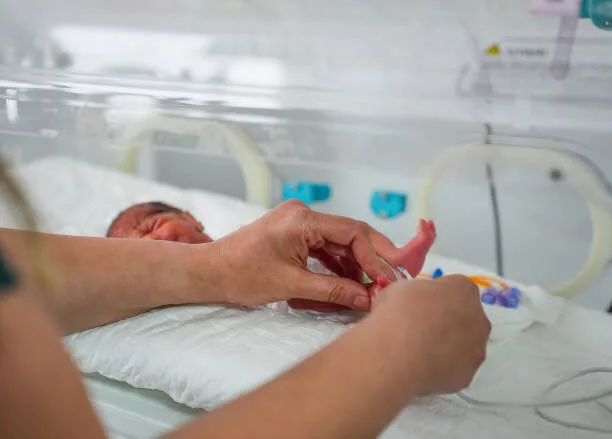
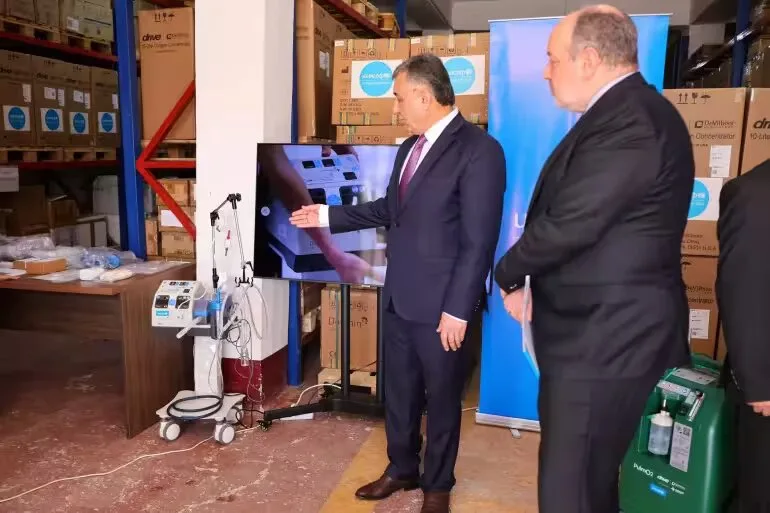
New respiratory support equipment has been installed in maternity hospitals to improve neonatal intensive care and reduce infant mortality.
Respiratory Support in Maternity Wards
Strengthening neonatal intensive care almost always begins with breathing support. Premature and low-birthweight infants frequently need help maintaining airway pressure and adequate oxygenation, and the equipment installed in maternity hospitals is designed to bridge that gap while immature lungs continue to develop. Because newborns are physiologically fragile, the margin for device error and inconsistent set-up is far smaller than in adult care, and the consequences of a lapse are correspondingly severe.
Installing such equipment directly in maternity settings signals a deliberate shift from transferring sick newborns elsewhere toward stabilising them on site. That model can reduce the risks that come with transporting fragile infants over long distances, but it only works if each maternity hospital has the trained staff, continuous monitoring and steady consumables to run intensive care safely around the clock rather than only when a visiting specialist happens to be present.
The value of on-site respiratory support therefore rests on more than the machines themselves. It depends on a maternity unit's ability to recognise deterioration early, escalate appropriately and keep equipment functioning between cases. Where those foundations are in place, new respiratory support can meaningfully raise the level of care a hospital is able to offer its smallest and most vulnerable patients.
Device Classes Behind Neonatal Intensive Care
Neonatal respiratory support spans several distinct device families, from non-invasive pressure devices through to ventilators and precisely blended-oxygen delivery, together with the monitors that continuously track saturation and vital signs. Each class carries its own consumables, calibration needs and alarm settings tuned to very small patients, which is precisely why neonatal equipment is rarely interchangeable with the general ward kit used for adults.
Selecting equipment for newborns is a demanding procurement task because the specifications are unforgiving. Circuit sizing, humidification and fine oxygen control all matter enormously, and a device that performs perfectly well for adults may be entirely unsuitable for a two-kilogram infant. Sound tender writing captures these clinical requirements explicitly, stating intended patient weight ranges and monitoring needs, rather than leaving critical details to be discovered only after the equipment has been installed and paid for.
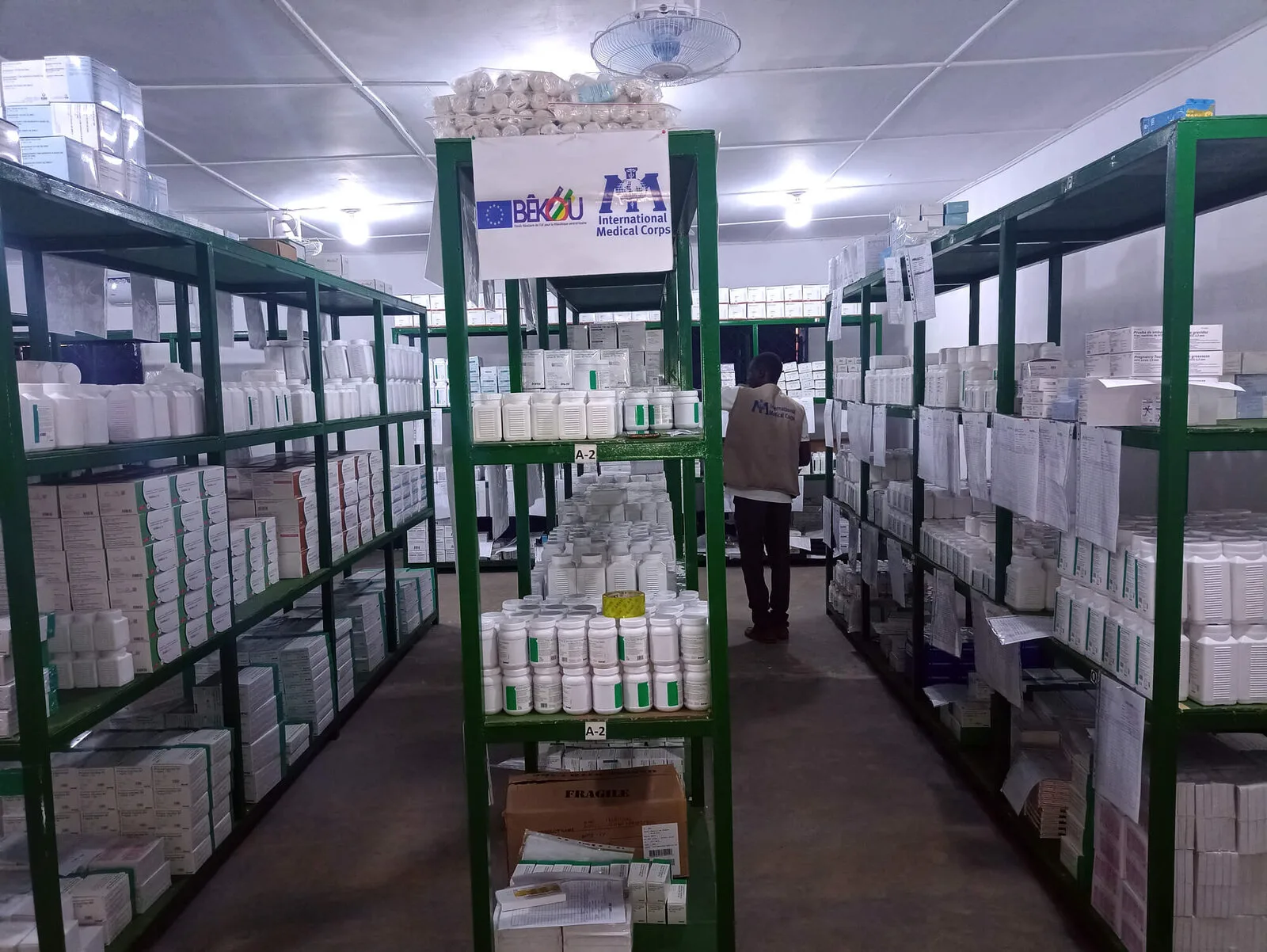
Because these devices are consumable-hungry and technically exacting, procurement teams also need to think about the whole supply chain behind them. Matching circuits, sensors and spares must be reliably available, and staff must be trained to interpret alarms correctly at any hour. A neonatal programme that plans for these realities from the outset is far more likely to sustain the intensive-care capability it sets out to build.
Regulatory and Lifecycle Considerations
Life-support devices sit at the higher end of regulatory scrutiny, and for good reason. Import and registration processes for such equipment typically demand full documentation, clear evidence of conformity and explicit clarity on servicing responsibility. Getting that paperwork right before installation protects both patients and the facilities that will depend on the equipment for years, and it prevents the costly discovery that a device cannot lawfully be commissioned once it has already arrived.
Facilities and partners bringing this kind of equipment into the country benefit from structured import support for higher-risk devices, which helps assemble the dossiers customs and regulators expect. Treating documentation as an early workstream, rather than an afterthought at the border, keeps installation timelines realistic and avoids equipment sitting in storage while paperwork is reconstructed under pressure.
The lifecycle view is essential for genuine sustainability. Neonatal devices need scheduled maintenance, verified spares and staff who can respond to alarms correctly at any hour of the night. Where several maternity hospitals receive similar equipment, shared training and standardised protocols tend to protect quality far more reliably than isolated deployments that each depend on the presence of a single knowledgeable champion.
Sustaining Gains in Infant Survival
Reducing infant mortality is a systems achievement, not a single purchase. Equipment lowers risk only when it is embedded in clear referral pathways, reliable power, disciplined infection control and continuous staffing. Facilities that pair new respiratory support with well-defined escalation rules and honest data on outcomes are better placed to sustain improvements rather than watch early gains fade as attention and funding move elsewhere.
Analysed through a procurement lens, the durable question is whether the model can be maintained long after the initial installation phase concludes. Consumable supply chains, maintenance funding and refresher training determine whether neonatal capacity actually holds up over the years. Planning those elements deliberately from the outset is what turns a one-time upgrade into lasting intensive-care capability distributed across an entire maternity network rather than concentrated in a handful of showcase sites.
The final measure of success is quiet continuity: units that keep functioning, staff who stay confident, and equipment that remains in service because someone budgeted for the filter, the sensor and the annual service. That unglamorous reliability, more than any launch event, is what genuinely moves the needle on newborn survival.
Building Referral Networks Around New Capacity
Respiratory support in a maternity hospital rarely stands alone; it functions best as one node in a wider referral network. Some newborns will stabilise on site, while others will still need transfer to higher-level care, and the new equipment changes where those thresholds sit. Defining clear criteria for who can be managed locally and who must be moved keeps both patients and staff safe as capacity expands.
Co-ordinating that network is partly a procurement question and partly a systems one. Transport equipment, communication links and consistent protocols across facilities all determine whether a stabilised infant reaches definitive care reliably. Where several hospitals upgrade together, aligning their referral rules and their equipment specifications makes the whole network more predictable and easier to sustain over time.
Facilities planning how new respiratory capacity fits into their wider referral pathways can find general guidance on sourcing and compliance by reaching the distributor through the contact page, which helps ensure that equipment decisions support the network rather than complicating it. Thinking about the network as a whole, rather than each hospital in isolation, is what allows a set of individual upgrades to add up to a genuine improvement in how the region cares for its newborns from first presentation through to definitive treatment.
Frequently asked questions
Why does neonatal respiratory equipment need different specifications from adult devices?
Newborns, especially premature infants, have tiny lungs and very low tolerance for imprecise pressure or oxygen. Neonatal devices therefore use smaller circuits, finer oxygen blending, gentle humidification and alarm thresholds tuned to small patients. Adult equipment usually cannot deliver this precision safely. Procurement specifications should state the intended patient weight range, circuit sizing and monitoring requirements explicitly so that installed equipment matches genuine clinical need rather than approximating it.
How should a maternity hospital plan maintenance for new intensive-care equipment?
Plan maintenance before installation, not after a fault appears. Log each unit's model, warranty coverage and service contacts on arrival, schedule preventive servicing, and secure a supply of verified spares and consumables. Ensure staff know how to respond to alarms at any hour, and keep documentation ready for inspection. Regulatory and import partners can help confirm that servicing arrangements meet national expectations for life-support devices before they enter clinical use.