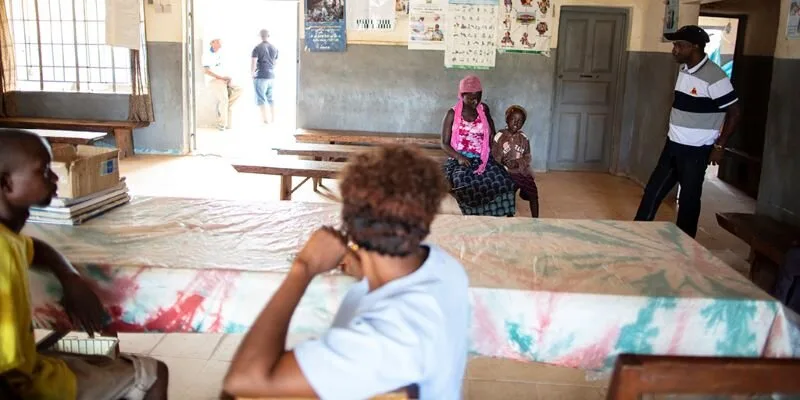
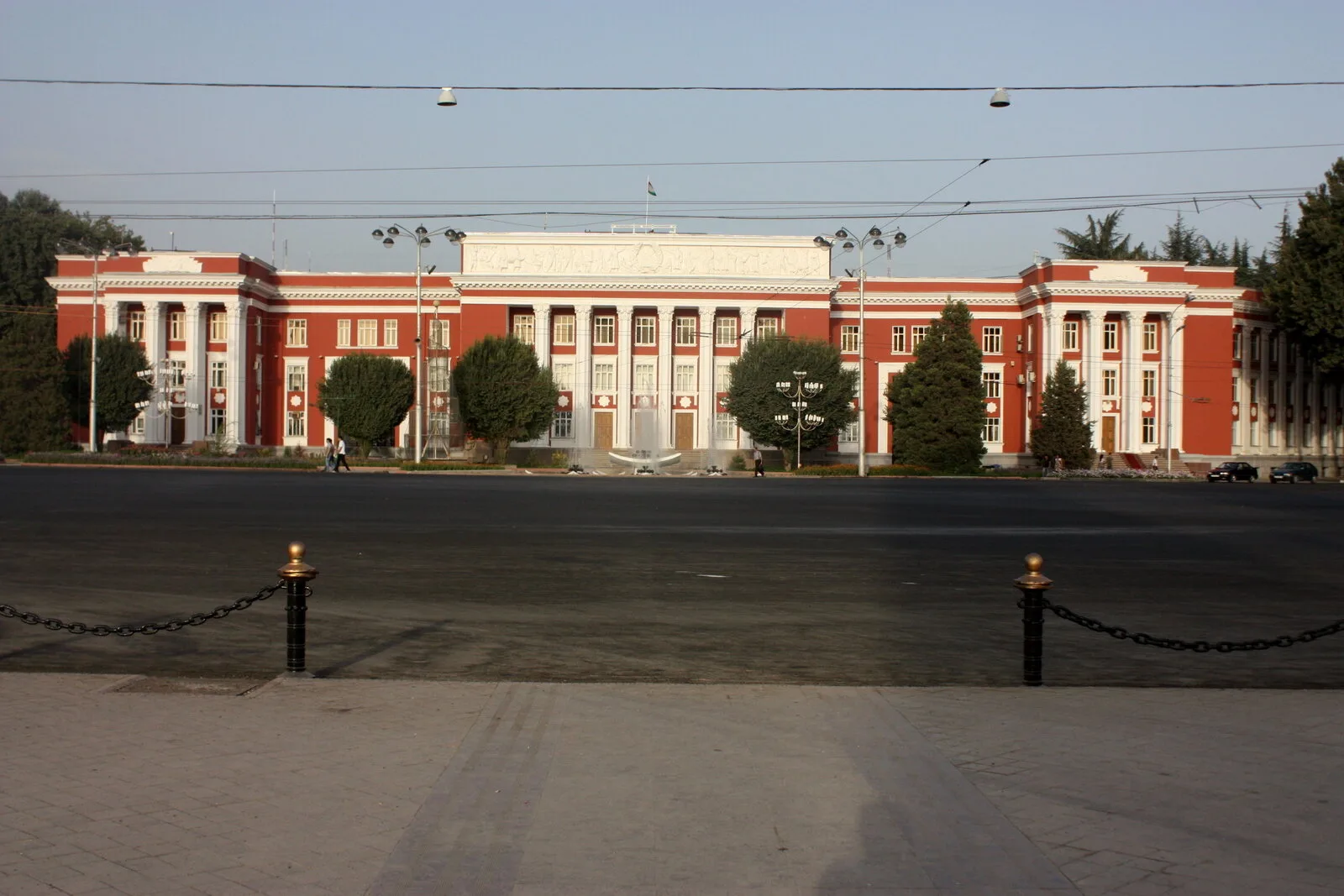
Healthcare infrastructure modernization continues across Tajikistan
By Modern Medical Solutions Editorial Team
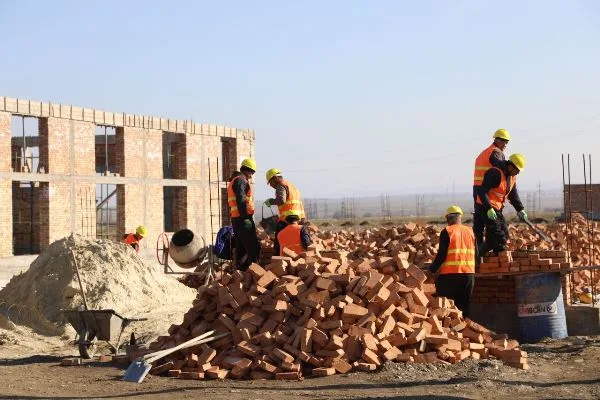
The Ministry of Health announced ongoing construction and renovation of more than 100 healthcare facilities throughout the country. The program focuses on improving hospital infrastructure, increasing healthcare capacity and expanding access to quality medical services.
Scaling Capacity Across the Country
A programme spanning more than a hundred facilities is a logistical undertaking as much as a clinical one. Building and renovating at that scale means coordinating construction, equipment, staffing and supply across many sites at once, often in geographically dispersed and hard-to-reach locations. The ambition is clear enough: more capacity, closer to where people actually live, delivering a higher standard of care than scattered and ageing facilities can realistically manage today with the resources available to them.
Programmes of this size succeed or fail on their ability to keep every site progressing in step with the others. A facility finished ahead of its equipment sits empty and useless; equipment delivered before a building is ready sits in storage, ageing and at risk of damage or obsolescence before it is ever switched on. Coordinating these parallel streams is the quiet discipline on which visible results ultimately depend, and it is far harder to sustain across a hundred sites than it ever is across a single flagship project.
Standardisation Eases the Supply Burden
When many facilities are built or upgraded together, standardising their equipment and layouts pays lasting dividends. Common specifications simplify procurement, allow bulk purchasing at better prices, and mean that spare parts and consumables are interchangeable across sites. A technician trained on one facility's equipment can service another without relearning everything, and a shortage at one site can be covered from a shared regional stock rather than triggering a fresh and expensive emergency order every time supplies run low.
Analysed through a supply-chain lens, this standardisation is what turns a scattered building programme into a coherent system. Fragmented, site-by-site purchasing produces a patchwork of incompatible equipment that multiplies the maintenance and consumable burden with every variation introduced. Coordinated specification does the opposite, shrinking that burden, and making the whole fleet dramatically easier and cheaper to keep running long after the construction phase has ended and the ongoing cost of upkeep has quietly become the dominant expense.
The same logic applies to consumables. When facilities share equipment, they draw on the same single-use items, filters and reagents, which makes demand far easier to forecast and pool centrally. A coordinated programme can therefore hold sensible regional buffer stock and redistribute it as needed, smoothing out the local shortages that would otherwise force each site to over-order defensively and tie up scarce funds in duplicated inventory that expires unused on separate shelves across the country.
Equipping New Capacity Sustainably
Expanding physical capacity only expands care if the new space is properly equipped and kept that way over time. Each new ward or theatre creates recurring demand for consumables, calibration and servicing, and a programme that funds construction generously but equipment maintenance thinly risks handing over buildings that cannot deliver their intended services for long. The gap between a finished building and a functioning hospital is filled almost entirely by supply and upkeep, not by bricks and mortar.
The most durable approach budgets for the full lifecycle of medical equipment from the outset, and secures reliable channels for the parts and consumables that keep it working. Facilities that plan supply alongside construction avoid the familiar disappointment of impressive new buildings whose equipment falls silent within a year or two of opening, defeated not by any clinical failing but by the simple absence of a spare part or a reagent that nobody had arranged in advance to replace when it inevitably ran out.
Sequencing matters here just as much as budgeting. Equipment that arrives before a building is ready sits in storage ageing and at risk, while a finished ward waiting on delayed equipment delivers nothing to patients in the meantime. A programme running across many sites must therefore coordinate delivery with construction readiness site by site, so that installation, commissioning and staff training all line up rather than colliding, and so that expensive assets begin earning their keep as soon as the doors open.
Access Depends on the Last Mile
Expanding access is ultimately a distribution problem as much as a construction one. New facilities shorten the distance patients must travel, but they also lengthen the supply lines that must reach them reliably. Remote sites are the hardest to keep stocked and serviced, and they are precisely the ones that expanded access is meant to benefit most. Getting the last mile right is therefore central to the programme's purpose, not a secondary logistical detail to be improvised later once the buildings are already standing.
Local distribution partners and streamlined import support help close that gap, consolidating demand and maintaining regional stock so that even distant facilities can rely on timely delivery. Without that intermediary layer absorbing the volatility of cross-border and cross-country logistics, expanded capacity risks becoming expanded frustration, with new facilities standing ready but unable to work because the supplies they depend on never quite arrive predictably enough to plan a full schedule around.
Turning Buildings Into Working Hospitals
A building becomes a hospital only when equipment, staff, supplies and maintenance come together reliably and, crucially, stay together over the years. The construction figure captures attention and makes for a satisfying announcement, but the harder and more valuable work is sustaining the systems that make each site clinically effective long after the scaffolding comes down and the initial funding attention has drifted toward the next headline programme elsewhere in the sector.
Programmes that keep that longer view, funding upkeep and supply as seriously as bricks and mortar, are the ones that convert investment into lasting improvements in access and quality across the country. The truest measure of success is not how many facilities were opened in a given year, but how many are still fully operational, well supplied and serving patients several years later without needing to be rescued from the avoidable decline that follows whenever supply and maintenance were treated as somebody else's problem.