Primary healthcare infrastructure expansion
By Modern Medical Solutions Editorial Team
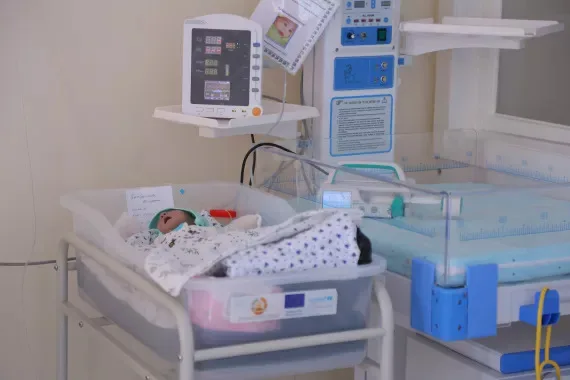
The national healthcare strategy includes construction of dozens of new rural health centers and modernization of existing clinics.
Building new rural health centres changes where care happens and, with it, where equipment must be delivered, installed and maintained over the long term. Primary healthcare infrastructure carries a different set of demands from tertiary hospitals: the emphasis falls squarely on reliable basics, resilience to power and supply interruptions, and equipment simple enough for generalist staff to operate confidently without specialist support close at hand.
Modernising existing clinics alongside new construction reflects a common and sensible strategic choice. Rather than concentrating resources in a handful of large facilities, spreading capability closer to rural populations can shorten travel times, catch health problems earlier and ease the pressure that builds on distant referral hospitals. The design and equipping decisions taken now will shape the quality of care these communities receive for many years to come.
The scale of the ambition, dozens of new centres alongside upgrades to existing ones, means the programme is as much a procurement and logistics challenge as a construction one. Getting the equipment strategy right at the outset determines whether these buildings open as functioning clinics or as empty shells waiting indefinitely for the tools their staff need.
Equipping New Rural Health Centres
A new health centre needs a coherent equipment package rather than a random assortment gathered piecemeal. Diagnostic basics, sterilisation capacity, a reliable cold chain for vaccines, examination tools and dependable communications together form the backbone of functioning primary care. Specifying these as a standard bundle helps ensure that every new facility opens genuinely ready to serve patients, rather than waiting weeks or months for missing items to catch up with the building.
Procurement for dispersed rural sites is logistically demanding in ways that urban purchasing is not. Long delivery distances, limited on-site storage and thin local technical support all argue strongly for durable, standardised equipment with straightforward maintenance requirements. Standardisation across many centres also simplifies training and spare-part stocking, which matters enormously when a single technician may be responsible for covering a very wide and sparsely populated area.
Because the equipment must last in demanding conditions, robustness and serviceability should weigh heavily in tender decisions. A slightly more expensive device that keeps working with minimal support will often outperform a cheaper alternative that fails the first time it meets an unreliable power supply or an untrained user.
Modernising the Existing Clinic Network
Upgrading older clinics is frequently more complex than building entirely new ones. Existing sites may carry ageing infrastructure, a mix of equipment vintages and long-established routines that quietly resist change. Modernisation works best when it begins by auditing what already exists, retires devices that are unsafe or no longer supportable, and then fills the resulting gaps deliberately rather than simply layering shiny new kit on top of unreliable foundations.
Compatibility is a quiet but genuinely crucial factor in any upgrade. New equipment must fit the electrical, spatial and workflow realities of clinics that were never designed to accommodate it. Assessing those constraints honestly before purchase avoids the depressingly familiar problem of devices that arrive with fanfare but cannot actually be installed, powered or integrated into the daily practice of the staff who were meant to use them.
Sequencing matters as well, and it is easy to underestimate. Upgrading a working clinic without interrupting the care it already provides requires careful planning, so that patients are not left without services while old equipment is removed and new equipment is commissioned and tested. Staging the work in phases, and keeping essential functions running throughout, protects continuity of care during what can otherwise be a disruptive transition for a small rural team.
Procurement Strategy for Dispersed Facilities
Examined through a procurement lens, dozens of small, scattered facilities create a scale challenge that differs sharply from a single large hospital purchase. Aggregating requirements across many sites can unlock better pricing and consistent standards, while phased delivery aligned carefully to construction schedules prevents equipment from sitting idle or deteriorating in storage before the buildings meant to house it are actually ready to receive it.
Lifecycle planning is ultimately decisive for rural infrastructure. Maintenance networks, spare-part availability and staff training determine whether new centres keep functioning long after the opening ceremony is forgotten. Facilities and planners benefit from confirming device registration and support arrangements up front, and teams scoping suppliers can find general guidance on the distributor's role in the region by reaching out through our contact page to discuss what sustained support involves.
The programmes that endure are those that treat equipment not as a one-off capital purchase but as a long-term commitment. Building maintenance funding and refresher training into the plan from the beginning is what separates a lasting network of functioning clinics from an impressive launch that slowly decays.
Staffing and Skills for New Facilities
Buildings and equipment are only half of primary healthcare infrastructure; the other half is the people who staff it. New rural centres need clinicians, technicians and support workers who are willing to work in remote settings and equipped with the skills to use whatever has been installed. Without that human capacity, even a well-designed and well-equipped centre struggles to deliver on its promise to the surrounding community.
Equipment choices and staffing plans should therefore be developed together rather than in isolation. Simpler, more robust devices reduce the training burden and suit facilities where specialist support is scarce, while more complex equipment demands a corresponding investment in skills and supervision. Matching the two realistically avoids the common trap of installing capability that no one on site can confidently operate.
Suppliers who understand these regional realities can help facilities specify equipment appropriate to their staffing, and more general guidance is available across the range of regulatory and support services that keep new centres compliant and functional. Aligning devices, documentation and skills from the outset gives a dispersed network the best chance of lasting success.
Frequently asked questions
What equipment is typically prioritised when opening a rural health centre?
Primary care centres usually prioritise diagnostic basics, sterilisation, vaccine cold chain, examination tools and dependable communications. The emphasis is on robust, easy-to-operate equipment suited to generalist staff and to environments where power or supply may be intermittent. Specifying these items as a standard package helps every new facility open ready to deliver core services rather than waiting on missing or incompatible components that arrive long after the building itself is finished.
Why is standardisation important across many small rural facilities?
Standardising equipment across dispersed centres simplifies training, spare-part stocking and maintenance, which is critical when technical support is thin and travel distances are long. It also strengthens purchasing leverage and keeps quality consistent. The trade-off is dependence on continued supply of matching models, so planners should record specifications and confirm long-term support arrangements before committing to a single standardised fleet across the whole network.