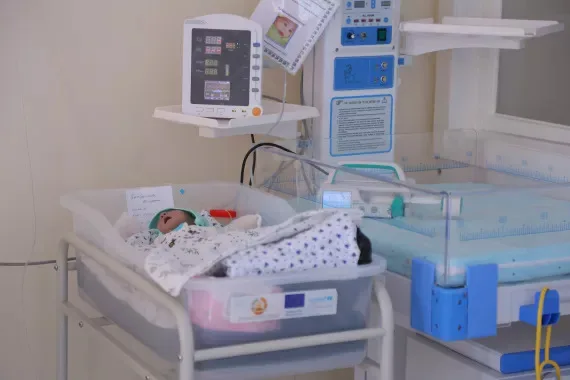
Infection prevention programs strengthened
By Modern Medical Solutions Editorial Team

Hospitals are introducing improved infection prevention standards and modern hygiene protocols with international support.
Modern Hygiene Protocols in Hospitals
Infection prevention and control ranks among the highest-leverage investments any hospital can make, because every infection avoided spares a patient real harm and frees up scarce and expensive resources for others. Introducing modern hygiene protocols means codifying practices such as hand hygiene, sterilisation, safe waste handling and environmental cleaning into consistent, auditable routines rather than leaving them to informal habit that varies from ward to ward and shift to shift.
Protocols only work in practice when the supporting supplies and equipment are dependably available at the point of need. Hand-hygiene products, adequate sterilisation capacity, appropriate personal protective equipment and safe waste systems together form the physical backbone of infection control. A persistent gap in any one of these can quietly undermine even the most carefully written standards, which is why reliable supply is genuinely inseparable from clinical intent.
The distinction between simply having protocols and genuinely living them is where many programmes are truly tested over time. Written standards distributed once and then filed away change remarkably little in practice; standards that actively shape daily behaviour, backed reliably by the supplies they quietly assume, are what actually reduce the burden of hospital-acquired infection. That gap between paper and practice, more than any weakness in the protocols themselves, is where prevention programmes most often quietly fail their patients.
Standards, Audit and Accountability
Improved standards inevitably imply measurement, because a standard no one checks is merely an aspiration. Infection prevention programmes typically pair written protocols with active surveillance and regular audit, so that compliance can be observed honestly and emerging gaps addressed before they become entrenched. Without that feedback loop, standards risk quietly decaying into paperwork; with it, they become a living system that genuinely improves over time as lessons accumulate.
Accountability structures ultimately decide whether protocols endure beyond their launch. Clear ownership, regular refresher training and sustained leadership attention keep infection control from slipping during busy periods or waves of staff turnover, when shortcuts are most tempting. International support often helps establish these structures initially, but their long-term value depends entirely on local institutions carrying them forward once external attention and funding inevitably move elsewhere.
The most resilient programmes make the correct behaviour the path of least resistance rather than a test of discipline. When sinks, supplies and clear reminders are placed exactly where staff actually work, compliance stops depending on individual willpower and starts depending on sensible design that quietly supports good practice. This shift from exhortation toward thoughtful arrangement is often what turns a promising set of protocols into durable, everyday habit across an entire hospital.
Procurement of Prevention Supplies and Devices
Analysed through a procurement lens, infection prevention depends heavily on the steady supply of consumables and the continued maintenance of sterilisation and cleaning equipment. These are recurring, distinctly unglamorous costs that are easy to underfund in tight budget cycles yet genuinely essential to sustain. Programmes that secure reliable supply chains for prevention items are precisely the ones that manage to protect the gains their protocols promise on paper.
Compliance matters here too, and cutting corners on it can be dangerous. Devices and materials used in sterilisation and protection should meet recognised standards and be properly registered for use rather than substituted with cheaper, unverified alternatives that could quietly compromise patient and staff safety. Building those checks firmly into purchasing decisions guards against false economies that surface only when something goes seriously wrong.
Purchasing teams weighing compliant supply routes can raise requirements through our contact page, which helps ensure that prevention purchasing rests on verified, registered products rather than on whatever happens to be cheapest or most readily available at the moment of need.
Embedding Prevention for the Long Term
Sustained infection control is a cultural achievement as much as a technical one. It requires that every clinician, cleaner and administrator understands their own part in the effort, and that the system itself makes the correct behaviour the easy and obvious default. Training, well-placed reminders and supportive physical design all contribute considerably more to lasting change than exhortation and one-off campaigns ever manage to on their own.
For facilities strengthening prevention now, the durable payoff is resilience against both routine and exceptional threats. Hospitals with mature infection control cope noticeably better with outbreaks and everyday risks alike, and in doing so they protect patients and staff together. Treating prevention as core infrastructure, funded and maintained accordingly rather than as an optional extra, is what ultimately turns an internationally supported programme into a permanent institutional capability.
Reliable Sourcing for Recurring Supplies
Because infection prevention leans so heavily on consumables, the reliability of the supply chain behind those items becomes a clinical safety issue in its own right. A stockout of hand-hygiene products or sterilisation supplies does not merely inconvenience staff; it directly weakens the barriers that keep patients safe. Procurement teams therefore need suppliers who can deliver prevention items consistently rather than sporadically when budgets or logistics allow.
Registration and quality also matter for these everyday products, not only for headline equipment. Materials used in sterilisation and protection should meet recognised standards and be properly documented, because substituting unverified alternatives to save money can quietly undermine an entire programme. Consistency and compliance together are what allow protocols to be trusted.
Facilities can learn how a registered regional distributor supports reliable, compliant sourcing of prevention supplies, which helps ensure that the physical backbone of infection control never quietly fails at the worst possible moment. Treating recurring supplies with the same seriousness as capital equipment is a hallmark of a mature prevention programme.