Hospital equipment modernization
By Modern Medical Solutions Editorial Team
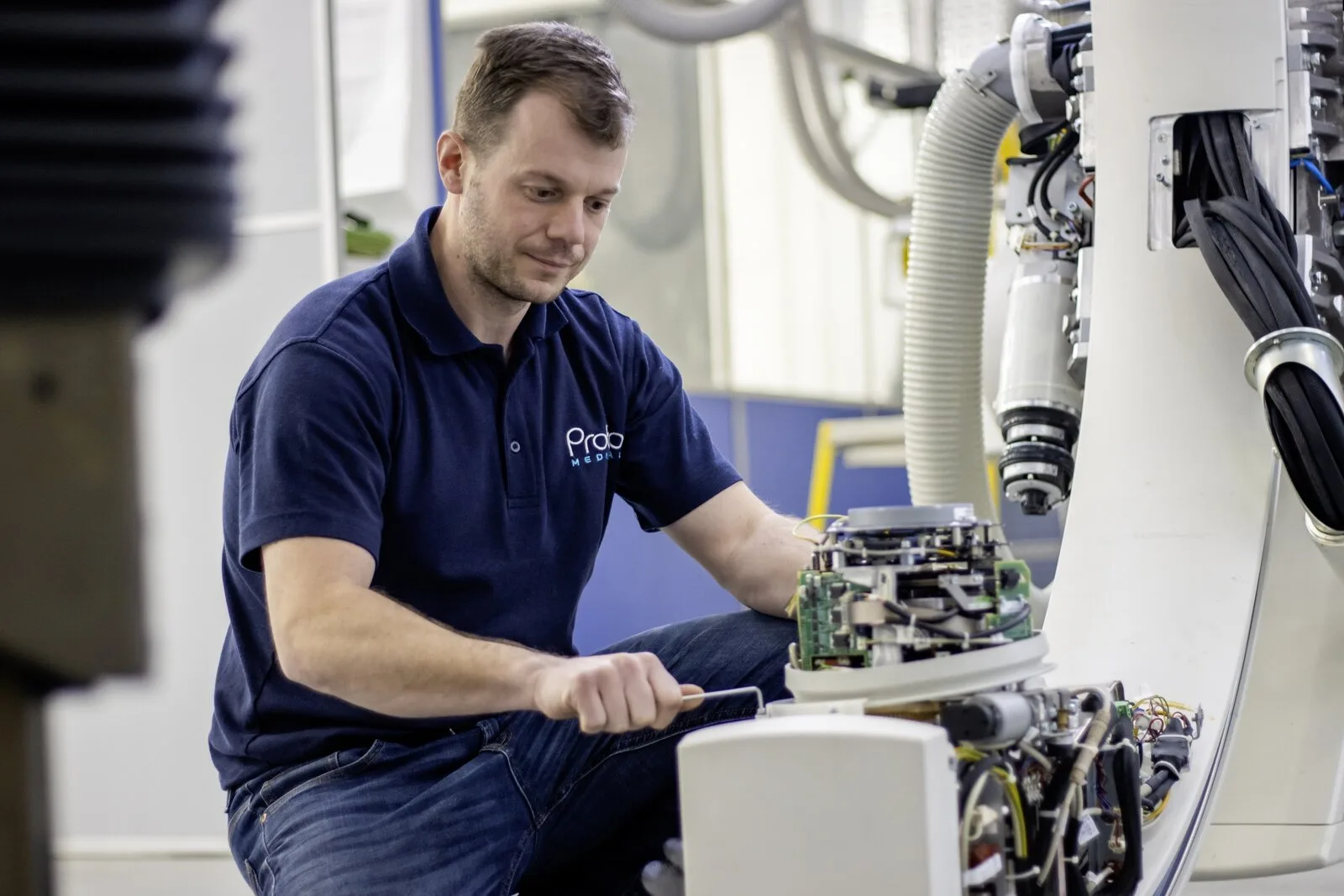
Regional hospitals continue upgrading diagnostic and treatment equipment as part of long-term modernization efforts.
Modernisation of hospital equipment tends to advance in steady increments rather than dramatic leaps, and that gradual character is exactly what makes it sustainable in the long run. As regional hospitals renew their diagnostic and treatment technology over time, the services they can offer expand quietly but meaningfully, letting patients receive care closer to home rather than travelling long and often difficult distances to a single central facility in the capital.
Seen through a service-delivery lens, modernisation is less about acquiring the newest device on the market and more about closing specific gaps in what a hospital can actually do for its population. A well-chosen upgrade removes a bottleneck, enables a previously impossible treatment or makes an existing service more reliable. That practical framing keeps modernisation anchored to patient need rather than to the appeal of impressive-looking technology for its own sake.
Diagnostics as the Gateway to Treatment
Diagnostic equipment shapes everything that follows it in the clinical pathway. Imaging systems, laboratory analysers and monitoring devices together determine how quickly and accurately a condition is identified, and modern diagnostics let clinicians detect problems earlier and target treatment far more precisely. For regional hospitals, upgrading diagnostics often unlocks whole new services, because a treatment pathway can only meaningfully exist once the facility can reliably confirm what it is actually treating.
Through a service-delivery lens, the value of a diagnostic upgrade is measured in the decisions it enables, not merely in the images or results it produces. Faster, clearer findings shorten waits, reduce unnecessary referrals to distant centres and let clinical teams act with confidence rather than caution. That is where a diagnostic investment earns its return, and it explains why many modernisation efforts sensibly begin with diagnostics before moving on to treatment capability.
Matching Treatment Technology to Local Need
Treatment equipment must fit the clinical profile a hospital genuinely serves rather than an aspirational version of it. Investing in advanced capability that outstrips local demand or available staffing wastes scarce resources, while under-investing leaves patients transferred elsewhere for care that could have been delivered nearer home. The analytical discipline is to modernise around real caseload, ensuring new technology is supported by trained staff, reliable consumables and dependable maintenance from the outset.
Facilities reviewing options across specialties can survey the available range within our product catalogue to align their choices with demonstrated need. The aim is a coherent match between what the population requires, what the workforce can operate confidently and what the facility can sustain financially over the equipment's lifespan. When those three factors align, treatment upgrades deliver lasting value; when they diverge, even excellent equipment can become an underused and demoralising monument to poor planning.
Sustaining New Equipment Beyond Delivery
Sustainability is what separates successful modernisation from expensive disappointment. New equipment inevitably demands maintenance schedules, spare parts, calibration and continuing staff competence, and hospitals that plan for all of these keep their devices in reliable service for far longer. The recurring failure mode across many health systems is capital spent generously on hardware without any corresponding investment in support, leaving impressive machines idle within just a few years of arrival.
The constructive response is to treat every acquisition as a multi-year commitment rather than a single purchase completed at delivery. Budgeting for servicing and training from the very start, and building supplier support into the agreement, protects clinical continuity and turns a one-time purchase into durable capacity. A device that is maintained, understood and reliably supplied continues to serve patients long after the initial excitement of its arrival has faded into routine use.
Sequencing Upgrades for Long-Term Value
Long-term modernisation benefits enormously from thoughtful sequencing. Upgrading in a logical order, ensuring that diagnostics, treatment and supporting systems advance together, avoids the frustrating bottlenecks that appear when one modern device is throttled by outdated surrounding equipment it depends upon. Coordinated planning across departments also smooths training and maintenance, since related upgrades can share expertise, spare parts and supplier relationships rather than each being handled in isolation.
This sequencing turns a series of separate purchases into a coherent modernisation programme with compounding benefits. Each upgrade builds on the last rather than exposing a new weakness elsewhere in the system. Distributors can help align sourcing and documentation with these phased plans through import support suited to the region, keeping the whole programme practical, lawful and properly documented as it progresses over several years.
Modernisation That Retains Staff Confidence
New equipment only improves care once staff trust and use it fluently, so the human side of modernisation deserves as much attention as the technical side. When upgrades arrive faster than training and support can keep pace, clinicians may quietly default to older, familiar methods, leaving expensive new capability underused. Pacing modernisation so that staff confidence grows alongside the technology protects the investment and ensures patients actually benefit from what has been purchased.
Through a service-delivery lens, retaining staff confidence also depends on reliability. A new device that fails frequently, or that sits waiting for a spare part, erodes trust quickly and can make clinicians reluctant to depend on it for critical decisions. Dependable maintenance and responsive technical support are therefore not merely operational details but part of how modernisation earns its place in daily practice, turning unfamiliar hardware into equipment that teams reach for without a second thought.
Sustaining confidence over the longer term calls for visible attention to how equipment actually performs once it is in routine use. When staff can report problems easily and see them resolved promptly, they remain engaged with new technology rather than retreating to older habits. A modernisation programme that listens to this frontline experience, and that adjusts training and support in response, builds a virtuous cycle in which each successful upgrade makes clinicians more receptive to the next, steadily raising what the facility can confidently offer its patients.