Infection prevention and hospital modernization
By Modern Medical Solutions Editorial Team
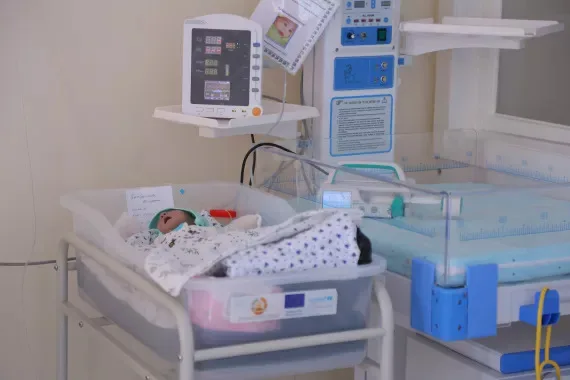
The Ministry of Health, the European Union and UNICEF inaugurated renovated healthcare facilities in Ayni District to strengthen infection prevention, improve hygiene standards and enhance patient safety.
Renovation Aimed at Safer Care
Inaugurating renovated facilities is more than a ceremonial milestone; it signals real investment in the physical conditions that make safe care possible. The stated focus on infection prevention, hygiene and patient safety points to improvements that are often invisible to patients yet decisive for outcomes, from clean water and functioning sanitation to surfaces and layouts that can actually be disinfected thoroughly rather than merely wiped down and hoped over between one patient and the next.
Partnerships of this kind, drawing together a national ministry and international organisations, typically pair capital works with the systems needed to sustain them over time. A renovated ward only reduces infection risk if the cleaning supplies, protective equipment and clinical routines that go with it are reliably available long after the ribbon is cut. The building is the visible part; the durable gain lies in the habits and the steady flow of supplies that keep it performing month after month once the attention has moved on.
It is worth being clear about why a district-level facility matters so much in this picture. Patients who might once have travelled long distances for basic care can be treated closer to home, provided the local facility is genuinely safe to use. A renovation that raises hygiene standards therefore does more than upgrade one building; it makes the surrounding network of care more trustworthy, which is exactly the kind of quiet, structural improvement that endures if it is properly supplied and maintained.
Infection Control as a Consumables Discipline
Viewed through a supply lens, infection prevention is fundamentally a consumables and maintenance challenge rather than a one-time construction project. Hand hygiene depends on a steady flow of soap, sanitiser and clean water; sterile procedures depend on single-use items, sterilisation reagents and functioning autoclaves. A facility can be beautifully renovated and still spread infection if any one link in that consumable chain runs dry, because the standard is only ever as strong as its most depleted supply on any given day.
This is why durable infection control is measured not on opening day but months later, when the initial supplies are exhausted and the routine has to sustain itself without external prompting. Systems that plan for continuous replenishment, with clear reorder points and dependable delivery, hold their hard-won gains. Those that treat consumables as an afterthought tend to watch standards erode as stocks deplete and improvised substitutes quietly creep in to fill the gaps, undoing much of what the renovation was meant to achieve.
The forecasting involved is not complicated, but it must actually be done and owned by someone. Consumption of protective equipment and cleaning supplies is broadly predictable per bed and per procedure, so a facility that tracks its usage can order ahead of need rather than reacting to an empty store. Building that simple discipline into daily management is often the single most effective way to keep a renovation delivering the safety it was carefully designed to provide.
Why Maintenance Sustains Hygiene Standards
Physical infrastructure degrades steadily without upkeep. Ventilation systems, water supplies, sterilisation equipment and waste-handling facilities all require scheduled maintenance to keep performing as designed. A renovation resets the clock on that decay, but only a maintenance regime keeps it from restarting immediately and quietly. The organisations behind such projects increasingly recognise that a proper handover must include training and a servicing plan, not just keys, a plaque and a photograph of the opening.
The role of local partners is significant here. Reliable access to spare parts, replacement consumables and technical support determines whether equipment installed during a renovation stays operational or fails silently within a year. Facilities that can source these through dependable import and supply channels avoid the familiar trap of high-specification installations that look impressive at opening but cannot be kept running for want of routine servicing and the everyday parts nobody remembered to plan for.
Maintenance also protects the people who deliver care. Functioning ventilation, safe water and reliable waste handling reduce the risk that staff themselves become vectors or victims of infection, which in turn keeps the facility staffed and stable. Seen this way, upkeep is not a cost centre grudgingly funded but a direct investment in patient safety and in the continuity of the service the renovation was built to strengthen.
What the Named Organisations Typically Do
UNICEF and the European Union commonly support health infrastructure by combining funding with technical standards and monitoring. Their involvement usually reflects an emphasis on the most vulnerable patients, and on building capacity that endures well beyond a single grant cycle. A national ministry contributes the policy framework, the staffing and the long-term ownership without which external support cannot take root or last once the initial project timeline has run its course and the partners turn to other priorities.
For district-level facilities, this kind of collaboration can be genuinely transformative precisely because it addresses the basics that larger, more visible projects sometimes overlook. Clean, safe, well-maintained buildings are the unglamorous foundation on which every other clinical improvement is built, and getting them right in a rural district often does more for everyday patient safety than any single piece of advanced equipment could on its own. Facilities can extend that progress by planning consumable supply through reliable support and sourcing partners as they move beyond the opening.
The wider lesson of such projects is that infrastructure and supply must be planned together from the beginning rather than sequentially. A renovation that arrives with a realistic plan for consumables, spare parts and servicing gives its infection-prevention gains a genuine chance of lasting. One that treats those recurring needs as somebody else's responsibility tends to see standards drift back toward where they started, quietly undoing much of the effort and goodwill that went into the visible works themselves.