Improved procurement procedures
By Modern Medical Solutions Editorial Team
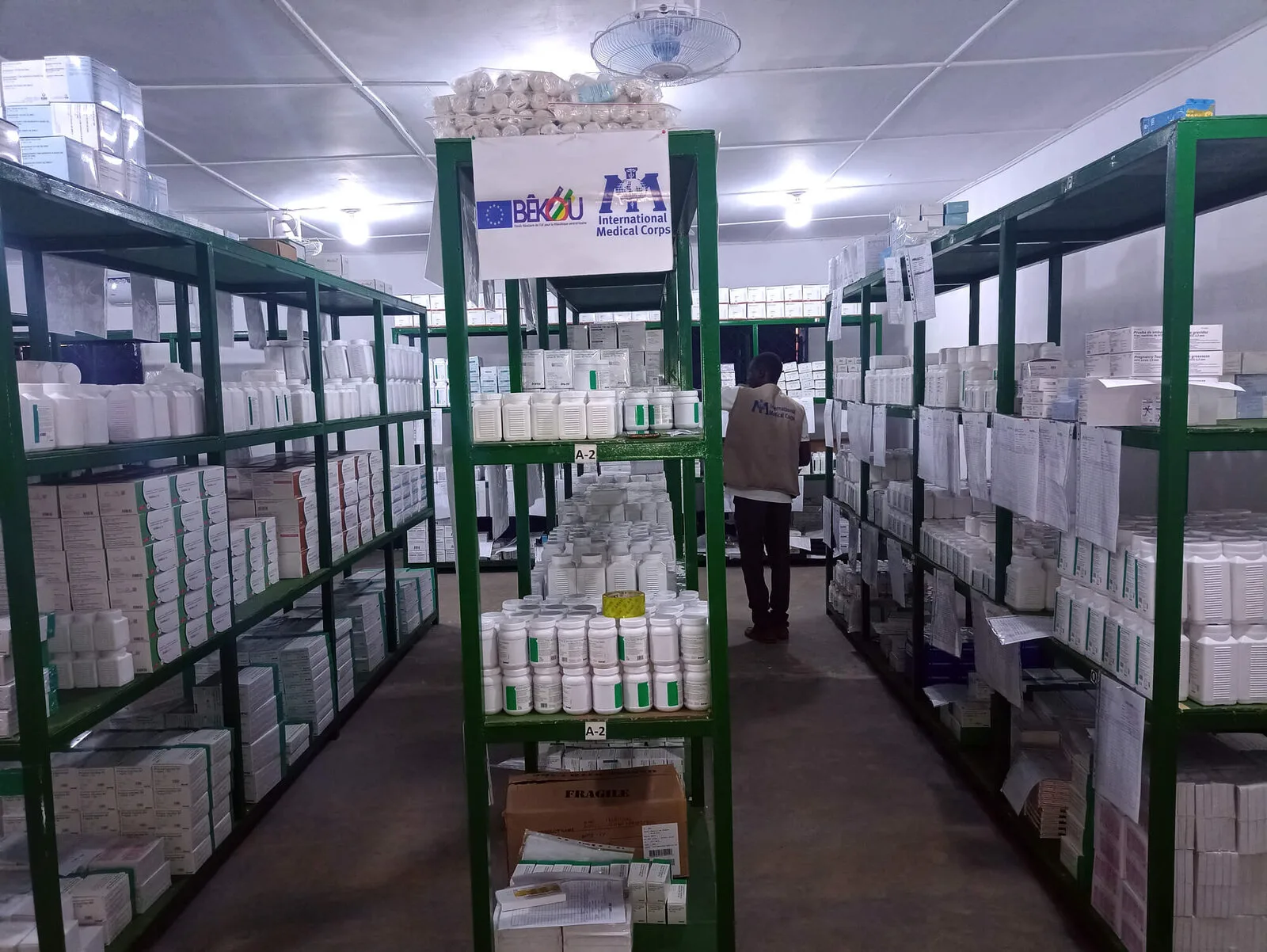
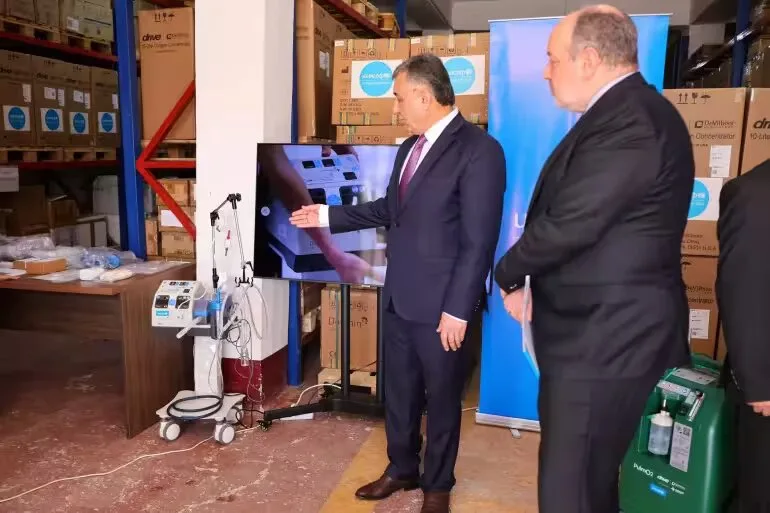
Medical equipment procurement is increasingly conducted through transparent competitive bidding and international donor-supported programs.
Procurement is often treated as an administrative back office, yet it quietly determines which technologies reach patients and how reliably they keep working. The move toward transparent competitive bidding and donor-supported programmes in Tajikistan therefore carries direct consequences for clinical service delivery, because the process shapes not only headline price but also quality, warranty terms and the steady availability of the consumables that keep equipment usable long after installation day.
Understanding procurement as a clinical issue rather than a purely financial one changes how it is judged. A tender is successful not when it secures the lowest bid but when the resulting equipment is used safely, maintained properly and supplied continuously for years. That reframing places the patient, rather than the balance sheet, at the centre of every purchasing decision, and it is the perspective clinical leaders increasingly bring to procurement committees.
How Competitive Bidding Improves Equipment Choice
Competitive bidding widens the field of potential suppliers and forces specifications to be written out explicitly. For clinical teams, well-drafted specifications are the difference between equipment that fits the service and a superficial bargain that sits idle in a corner. A transparent process also invites scrutiny of the total cost of ownership rather than the headline price alone, which matters enormously for devices that depend on a steady supply of accessories and spare parts.
From a service-delivery perspective, the discipline of clear tender documents protects continuity of care. When a facility specifies compatible consumables, training and technical support up front, it avoids the common and demoralising failure mode of a working machine stranded for want of a single matching part. Reviewing options across a broad product catalogue early in the planning stage helps teams describe accurately what their services actually need.
Donor Programmes and Their Delivery Trade-offs
Donor-supported procurement expands what health systems can realistically afford, but it introduces its own delivery considerations that are easy to overlook. Equipment arriving through external programmes may follow different standards, documentation or maintenance arrangements, and clinical services benefit most when those details are reconciled with local practice before delivery rather than discovered afterwards. The analytical caution is that even a generous grant can strain a facility if training and spare-part pathways are not funded alongside the hardware itself.
The constructive reading is that donors and health authorities increasingly recognise this risk and pair capital with commissioning, training and follow-up support. That shift treats procurement as the beginning of a long service relationship rather than a one-off transaction concluded at handover. When funders adopt that mindset, donated equipment is far more likely to become durable clinical capacity instead of an expensive symbol of goodwill gathering dust.
Aligning Procurement With Regulatory Rules
Transparent procurement works best when it is aligned with registration and import requirements from the very outset. Specifying that offered devices must be eligible for legal entry avoids awkward, costly delays after an award has already been made and budgets committed. Facilities and suppliers can smooth this by confirming documentation early in the process, with practical help available through import support tailored to the regional context.
This alignment is not merely a compliance box to tick. When procurement and regulation move in step, equipment clears entry on schedule and reaches wards when clinicians expect it, protecting the service plans built around it. When they diverge, hospitals face the frustrating spectacle of paid-for equipment held at a border while patients wait, an outcome that careful early coordination is specifically designed to prevent.
Sustaining Value Beyond the Award
The real measure of good procurement is what happens months and years later: is the device still in use, maintained and reliably supplied? Sustainable programmes budget for maintenance contracts, staff training and consumable replenishment, treating these as integral rather than optional extras to be trimmed when funds tighten. Through a clinical service lens, this after-award attention is precisely where procurement either delivers durable capacity or produces expensive shelfware that nobody dares to admit was a mistake.
For regional buyers, building explicit supplier support expectations into contracts protects that value over the long term. Clarifying who handles installation, calibration and technical queries keeps services running smoothly and reduces the downtime that would otherwise fall directly on patients. A contract that names these responsibilities is far more likely to produce a device that is still working, and still trusted, several years after the tender closed.
Involving Clinicians in Purchasing Decisions
Procurement improves markedly when the people who will actually use the equipment help shape the specification. Clinicians understand the realities of their service in a way that a purely administrative process cannot capture, from how a device fits into an existing workflow to which features genuinely matter under pressure. Involving them early reduces the risk of acquiring technically compliant equipment that nonetheless frustrates the staff expected to rely on it every day.
Through a service-delivery lens, clinical involvement also builds ownership, which matters once the equipment arrives. Staff who helped choose a device are more likely to learn it thoroughly and champion its use, whereas equipment imposed without consultation often meets quiet resistance. Transparent, competitive processes are strengthened rather than slowed by this input, because a well-informed specification produces cleaner tenders and fewer costly disputes about whether the awarded product was ever suitable for the job.
Balancing this clinical input with the impartiality that transparent bidding requires is a matter of good governance rather than a genuine conflict. Clinicians can shape what a specification needs to achieve without steering it toward a preferred supplier, and clear rules on declaring interests keep the process both well-informed and fair. Facilities that get this balance right gain the best of both worlds: tenders grounded in real clinical need and awards that withstand scrutiny, which together sustain confidence in the entire procurement system over time.
Frequently asked questions
What makes a medical equipment tender clinically useful?
A clinically useful tender describes not just the device but its intended service context: the volume of patients, the environment, and the consumables and accessories required to keep it running. Specifications should address training, warranty, maintenance and spare-part availability rather than price alone. This helps ensure the awarded equipment fits real clinical workflows and remains usable over its expected lifespan, avoiding the common problem of idle machines that never delivered the intended benefit.
How can facilities avoid equipment sitting unused after donation?
Idle donated equipment usually reflects gaps in commissioning, training or consumable supply rather than a fault in the device itself. Facilities can reduce this risk by confirming installation, staff training and spare-part pathways before delivery, and by ensuring the equipment matches local voltage, connectivity and maintenance capacity. Treating a donation as the beginning of a service relationship, not a one-off gift, keeps it clinically productive well beyond the initial handover.
Why align procurement with import and registration rules?
Aligning procurement with import and registration rules prevents awarded equipment from being held up at entry or found ineligible for legal use. Confirming that offered devices meet local documentation requirements early in the process shortens lead times and avoids stranded stock. This coordination keeps clinical services supplied on schedule and reduces costly disputes after a contract is awarded, protecting both the budget and the service plans built around the equipment.