Expansion of oxygen therapy services
By Modern Medical Solutions Editorial Team
Healthcare facilities continue expanding oxygen therapy capabilities to improve respiratory care nationwide.
Why Oxygen Capacity Shapes Respiratory Care
Oxygen is one of the most essential therapies in any hospital, and expanding its availability fundamentally changes what a facility can safely treat. Reliable supply underpins the management of pneumonia, chronic lung disease, surgical recovery and neonatal care, so growth in capacity ripples across many services at once. For a system extending care into remote districts, dependable oxygen is often the single factor that determines whether a patient can be stabilised locally or must endure a long and risky transfer.
The service-delivery reading is that oxygen is infrastructure, not a consumable to be improvised when a crisis hits. When capacity is planned deliberately rather than patched together, clinical teams can commit to treatments that would otherwise be too risky to attempt, raising the ceiling of care a facility can offer. That confidence is itself a clinical asset, because hesitation over supply can delay interventions where minutes genuinely matter for the patient.
From Cylinders to Concentrators and Plants
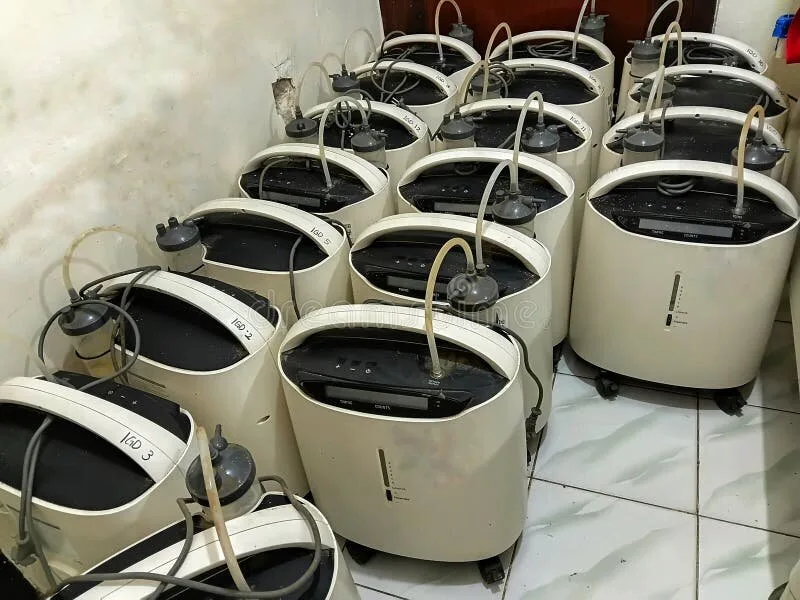
Oxygen reaches patients through several routes: pressurised cylinders, on-site concentrators and larger generation plants feeding piped systems throughout a building. Each carries different logistics, from refilling and transport to servicing and power reliability. Expanding capability usually means combining these methods so that a failure in one source does not halt care entirely, a redundancy principle familiar from any robust approach to service planning where the cost of interruption is measured in lives.
The practical challenge is matching the method to the setting. A district clinic and a large referral hospital have very different demand profiles, and the analytical lesson is that oversized and undersized systems both waste value in different ways. Sizing to realistic peak demand, including seasonal surges and emergency spikes, protects both scarce budgets and vulnerable patients. Getting that calculation right at the planning stage avoids expensive corrections once a system is already installed.
How Do Facilities Keep Oxygen Systems Reliable?
Reliability rests on maintenance, monitoring and trained staff working together. Concentrators and plants need routine servicing, and piped systems depend on functioning alarms and pressure monitoring so that a developing fault is caught before it ever reaches the bedside. Facilities that treat oxygen as a monitored utility, with logs and preventive schedules, sustain their capacity far better than those that respond only after supply has already failed and patients are at immediate risk.
There is also a human dimension that no amount of hardware can replace. Clinical and biomedical staff need to understand delivery devices, flow settings and the safety precautions around a supported gas that can accelerate fire. Embedding this knowledge into routine training turns new equipment into dependable service rather than intimidating machinery that staff avoid. Competence, in other words, is as much a part of oxygen infrastructure as the pipes and cylinders themselves.
Integrating Oxygen With Wider Clinical Services
Oxygen rarely stands alone in the treatment of a seriously ill patient; it supports monitoring, ventilation and a wide range of procedural care. Expanded capacity is therefore most effective when it is planned alongside the broader equipment base a facility relies upon, so that respiratory support connects smoothly with diagnostics and treatment rather than existing as an isolated island of capability. Teams reviewing their overall device provision can survey the relevant categories across the full product catalogue to understand how respiratory infrastructure fits their wider service goals.
This integration matters because bottlenecks form at the seams between systems. A ward with ample oxygen but insufficient monitoring, or vice versa, still cannot deliver the care its equipment appears to promise on paper. Coordinated planning across respiratory, monitoring and treatment capacity ensures that an investment in one area is not quietly wasted by a shortfall in another that nobody thought to address at the same time.
Planning for Sustainable Respiratory Care
Sustainability is the recurring theme in any honest assessment of oxygen expansion. Broadening these services means budgeting for power, spare parts, servicing and staff competence over many years, not just funding the initial installation and declaring the project complete. Facilities that build these ongoing costs into their planning avoid the disappointing and all-too-common pattern of impressive new equipment that quietly degrades for want of routine support and eventually falls silent.
With respiratory demand shaped by seasonal illness, altitude and emergencies, resilient supply planning is a direct investment in patient survival rather than a technical nicety. The facilities that fare best treat oxygen capacity as a standing commitment to be maintained, reviewed and renewed. Distributors can assist with sourcing and documentation via import support suited to the region, helping keep that commitment practical and compliant over time.
Oxygen Supply and Emergency Readiness
Emergencies test oxygen systems more severely than routine operation ever does, and readiness for those moments is a distinct planning discipline. A sudden influx of respiratory patients, a mass-casualty event or a seasonal surge can push demand far beyond ordinary levels in a matter of hours. Facilities that have modelled these scenarios, and that hold contingency stock and backup delivery methods, can absorb the shock without rationing a therapy that patients cannot do without.
Through a service-delivery lens, emergency readiness is where the investment in redundancy proves its worth. The backup cylinders and secondary supply routes that look like overcapacity during quiet periods become the margin that keeps a hospital functioning when demand spikes. Planning for the worst realistic case, rather than the comfortable average, is what distinguishes a resilient respiratory service from one that copes adequately until the day it suddenly cannot, with serious consequences for the sickest patients.
Readiness is also a matter of drills and clear procedures rather than equipment alone. Staff need to know how to switch between supply sources, how to prioritise flow when demand outstrips capacity, and whom to contact when a fault appears during a crisis. Rehearsing these steps in calm conditions means they can be executed under pressure without hesitation. A hospital that has practised its response is far better placed to protect patients than one relying on improvisation at the very moment margins are thinnest.
Frequently asked questions
What oxygen supply methods suit different facility sizes?
Smaller clinics often rely on cylinders and portable concentrators, which are simpler to deploy where demand is modest and intermittent. Larger hospitals typically use on-site generation plants feeding piped systems to meet high, continuous demand across many beds. Many facilities combine methods for redundancy, so a fault in one source does not interrupt care. Matching the approach to realistic peak demand, including seasonal surges, avoids both dangerous shortages and wasted capacity.
How is oxygen system reliability maintained day to day?
Reliability depends on preventive maintenance, monitoring and trained staff acting together. Concentrators and plants require routine servicing, while piped systems need functioning pressure monitors and alarms so faults are detected before they affect patients. Keeping maintenance logs, stocking critical spares and ensuring stable power all contribute. Treating oxygen as a continuously monitored utility, rather than an occasional supply attended to only when it fails, keeps respiratory services dependable.