UNICEF delivers life-saving medical equipment across Tajikistan
By Modern Medical Solutions Editorial Team
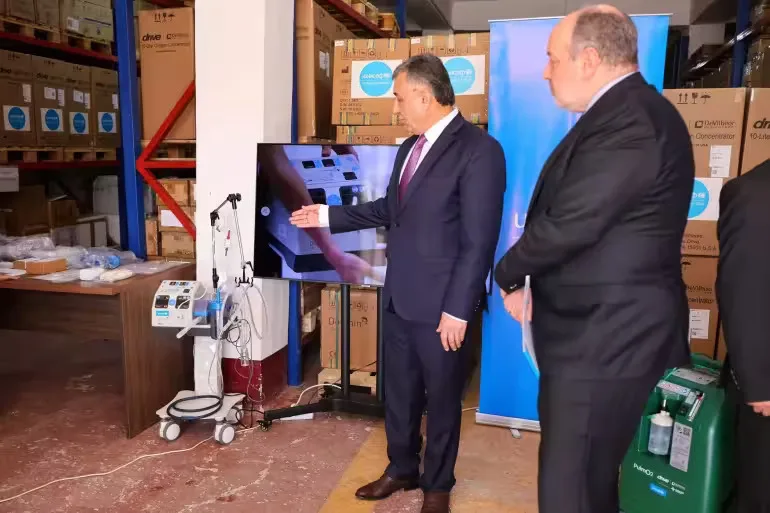
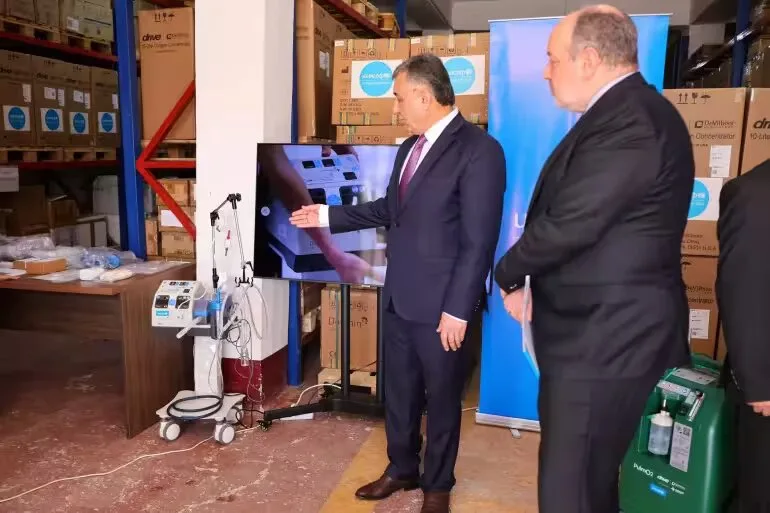
UNICEF, in cooperation with the Ministry of Health and Social Protection of the Republic of Tajikistan, delivered 227 CPAP devices and 300 oxygen concentrators to strengthen neonatal and respiratory care. The equipment is being distributed to 73 healthcare facilities across the country, accompanied by clinical training for healthcare professionals.
Respiratory Support Reaching the Front Line
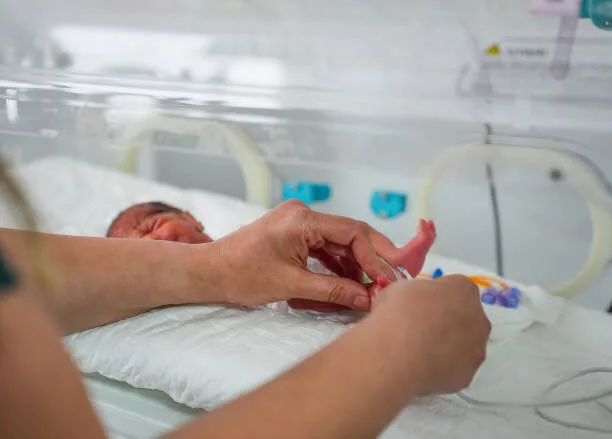
Delivering 227 CPAP devices and 300 oxygen concentrators to 73 facilities is a substantial expansion of neonatal and respiratory care capacity across a wide network of sites. CPAP devices help newborns and patients breathe by maintaining gentle positive airway pressure, while oxygen concentrators generate a steady oxygen supply on site by drawing it from ambient air, reducing dependence on cylinder deliveries that can be slow, costly and unreliable in remote areas where roads and logistics are genuinely difficult for much of the year.
Crucially, the equipment arrives paired with clinical training rather than simply being dropped off. Devices of this kind deliver their benefit only in trained hands, and pairing hardware with education reflects a mature understanding that capacity is human as well as technical. A concentrator or CPAP unit that staff are confident to set up, monitor and troubleshoot is a working part of the service; the same device without training is the difference between machines that sit boxed in a corner and machines that genuinely save the lives of fragile patients.
The Logistics of Distributing to 73 Sites
Distributing more than five hundred devices across dozens of facilities is a considerable logistical exercise in its own right, quite apart from the clinical work that follows. Each unit must reach the correct site, be installed and checked, and be matched to staff who are prepared to use it safely. Analysed through a supply-chain lens, the delivery is only the opening move; the enduring challenge is keeping every one of those devices operational once the programme's initial attention and funding move on to the next pressing priority elsewhere.
Oxygen concentrators and CPAP units both depend on consumables and maintenance to keep working reliably: filters, tubing, breathing circuits and periodic servicing. A concentrator with a clogged filter or a CPAP unit missing its circuit is clinically useless despite being physically present and looking perfectly fine to anyone glancing at it. Sustaining this deployment therefore means securing a reliable pipeline for those recurring items across all 73 sites, including the remote ones that are hardest to reach and easiest to overlook once the launch is over.
Spreading equipment across many facilities also complicates forecasting in ways that are easy to underestimate. Each site consumes filters and circuits at a rate driven by its own caseload, and pooling that scattered information into a coherent replenishment plan is what prevents some sites from hoarding stock while others quietly run dry. A coordinated approach to consumable supply is unglamorous but quietly essential to keeping a dispersed fleet of respiratory devices dependable over the years it is meant to serve.
Why Maintenance Determines Longevity
The value of a donated device is realised over years, not on delivery day, and that longevity depends entirely on maintenance. Oxygen concentrators in particular need clean filters, stable power and periodic technical checks to keep producing oxygen at the required purity, and their output degrades quietly if any of these are neglected for long. A concentrator that no longer meets its oxygen specification can fail a patient at the worst possible moment while still appearing to hum along normally to everyone in the room.
This is where local support infrastructure becomes genuinely decisive rather than merely helpful. Access to spare parts, replacement consumables and trained technicians through dependable import and supply channels determines whether this fleet remains in service for years or falls silent within months of arrival. Planning that support is every bit as important as the original delivery, because a device kept working for a decade delivers many times the value of one that is celebrated at handover and then abandoned the moment its first filter clogs and nobody has a spare.
Maintenance is also what protects trust in the equipment among the staff who use it. When devices fail unpredictably, clinicians learn to work around them and revert to older methods, and the investment is quietly wasted. When maintenance is dependable, staff rely on the equipment fully, which is the whole point of providing it. Reliability, in other words, is not a bonus feature but the very thing that turns hardware into durable clinical capacity at the bedside.
What UNICEF and Health Partners Typically Provide
UNICEF commonly supports health systems by combining equipment provision with training and technical standards, focusing particularly on maternal, newborn and child health where the need is often greatest. Working alongside a national ministry ensures the equipment fits into existing services and has a clear owner responsible for its long-term upkeep. The ministry provides the staffing, siting and continuity that external support cannot supply alone, so that a donation becomes part of the permanent service rather than a temporary and short-lived boost.
For neonatal and respiratory care specifically, this combination addresses some of the most preventable causes of harm to the smallest patients. Reliable oxygen and breathing support at the point of need can change outcomes dramatically for the most fragile newborns, provided the equipment stays maintained and the staff stay trained long after the initial handover ceremony. The lasting impact depends far less on the day of delivery than on the years of quiet, disciplined upkeep and resupply that must steadily follow it across every one of the facilities involved.
Facilities receiving equipment through such programmes still face the ordinary task of keeping it running once the donation ends, and that is where dependable local sourcing of medical equipment and consumables becomes important. Building a relationship with a supplier who can provide filters, circuits and spare parts on a predictable basis turns a one-time delivery into a service that can be sustained, extending the clinical benefit of the original investment across the full working life of every device.
Frequently asked questions
What consumables do oxygen concentrators and CPAP devices need?
Both rely on recurring items to work safely. Oxygen concentrators need clean filters and periodic servicing to maintain oxygen purity, plus stable power. CPAP devices depend on circuits, tubing and interfaces that must be replaced regularly. A device missing these consumables is clinically useless despite being physically present, so a reliable supply of parts is essential to keep the equipment genuinely usable.
Why is clinical training delivered alongside the equipment?
Respiratory and neonatal devices only deliver benefit in trained hands. CPAP and oxygen therapy require correct setup, monitoring and troubleshooting to be safe and effective. Pairing equipment with training turns hardware that might otherwise sit boxed into capacity that actually improves patient care, and helps staff maintain the devices and recognise faults before they can harm a patient.