Oxygen infrastructure programme scales across Afghanistan
By Modern Medical Solutions Editorial Team
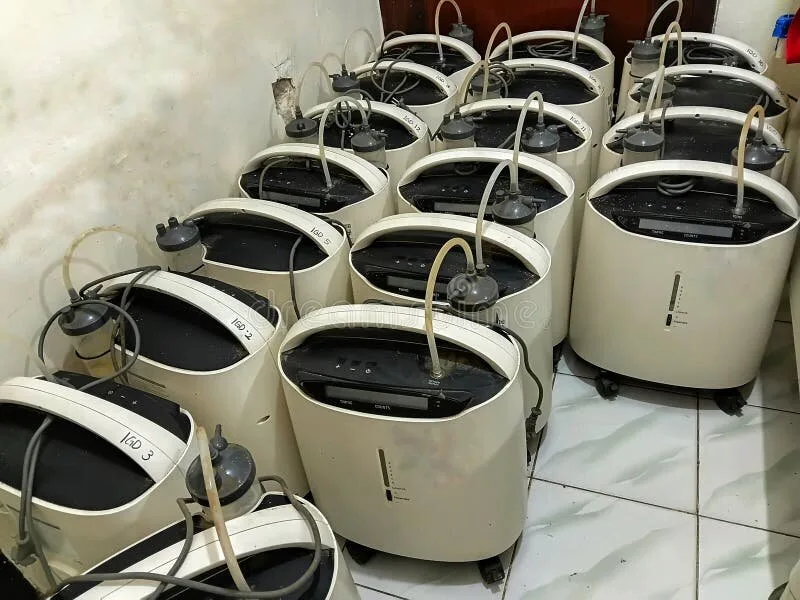
A USAID and WHO co-funded initiative has installed or upgraded medical oxygen production and distribution systems in 22 provincial hospitals, eliminating the dependency on cylinder imports and supporting respiratory, surgical and intensive care units.
Medical oxygen rarely features in headlines, yet it is one of the most essential and often most fragile elements of hospital care. A USAID and WHO co-funded initiative installing or upgrading oxygen production and distribution systems in 22 provincial hospitals addresses that fragility directly, moving facilities away from dependency on cylinder imports toward locally produced supply. The change touches respiratory, surgical and intensive care units alike, all of which stop functioning safely the moment oxygen runs short.
Producing oxygen on site rather than importing filled cylinders is a shift from a vulnerable logistics problem to a manageable infrastructure one. Cylinder supply chains can fail at borders, on damaged roads or simply through cost and delay, whereas an on-site plant, properly maintained and powered, gives a hospital direct control over a resource it cannot practise medicine without. That control is the quiet difference between a ward that keeps running and one that cannot.
Why On-Site Production Changes The Equation
Reliance on cylinder imports creates a long chain of dependency stretching far beyond the hospital gate. Every delivery depends on transport, funding and supplier availability, and any single break in that chain can leave wards without oxygen at the worst possible moment. Local production, whether through plants or concentrator systems, shortens the chain dramatically and converts an external vulnerability into an internal, controllable process that the facility itself can manage and monitor day to day.
This matters most acutely in emergencies and surges, when cylinder demand can suddenly outstrip supply precisely when patient need is highest. A facility producing its own oxygen has a resilience that no external delivery schedule can reliably match. Eliminating import dependency is therefore not simply a cost-saving measure; it is a structural improvement in a hospital's ability to keep critical services running under exactly the kind of pressure that overwhelms cylinder-based arrangements.
There is a financial logic that compounds over time as well. Cylinder refills, transport and handling represent a recurring cost that never ends, whereas an on-site system, once installed and maintained, shifts spending toward predictable operating and servicing budgets. Over the lifespan of the equipment, this change in cost structure can free scarce resources for other clinical priorities, provided the maintenance and staffing obligations are honoured rather than allowed to accumulate as neglected liabilities.
Oxygen As Cross-Cutting Clinical Infrastructure
Few resources reach across a hospital as broadly as oxygen does. Respiratory care, anaesthesia and surgery, and intensive care all depend on a continuous, reliable supply, which means an oxygen upgrade improves many services simultaneously rather than benefiting one department in isolation. Investing in this shared infrastructure delivers unusually wide returns precisely because so much routine and emergency clinical activity quietly rests upon it without ever being visible to the patient.
The distribution system deserves as much attention as production itself. Piped oxygen must reach every bedside at correct pressure and purity, requiring properly installed and maintained pipelines, outlets and regulators throughout the building. A plant that produces abundant oxygen the wards cannot reliably access solves only half the problem, which is why installation and distribution belong together in any serious programme rather than being treated as separate and optional stages.
Building The Skills To Run The Systems
Oxygen systems introduce a distinct workforce requirement that many hospitals have not previously needed. Running a plant or a bank of concentrators safely calls for technicians who understand the equipment, can perform routine checks and know how to respond when something fails. Developing these skills locally, rather than relying on distant specialists for every fault, is what allows a system to be repaired quickly rather than left idle while a hospital waits for external help to arrive.
This is why training and dependable supply belong together in the sustainability picture. Even a well-trained technician cannot keep a system running without access to the right parts, and reliable import support for those components is as much a part of oxygen resilience as the plant itself. The combination of local skill and predictable resupply is what turns an installed system into a genuinely durable capability that survives its first serious breakdown.
The Maintenance Burden Behind The Benefit
On-site oxygen systems trade one challenge for another in a way that is easy to overlook. They remove import dependency but introduce a real and continuing maintenance obligation. Plants and concentrators need stable power, regular servicing, spare parts and trained technicians to run safely and continuously. Where these supports are neglected, a production system can fail and leave a hospital worse off than under a familiar, if imperfect, cylinder arrangement that at least staff understood how to manage.
Sustainability therefore depends on planning for operations from the very start: maintenance financing, technician training, reliable power and a dependable supply of parts. Programmes that treat these as integral components rather than incidental afterthoughts give their oxygen systems a realistic chance of delivering years of reliable service, which is the entire point of building local production capacity rather than simply purchasing more cylinders in the first place.
Turning Installation Into Lasting Resilience
The lasting value of this initiative across 22 hospitals will depend on whether the systems keep running reliably long after the installation teams have left. Oxygen resilience is a continuous achievement, not a one-time upgrade, sustained by maintenance, monitoring and the trained workforce to support them through faults and surges alike. Facilities that build these habits early will find their new independence genuinely durable; those that do not may watch hard-won gains erode within a few years.
For organisations supporting the region's health infrastructure, reliable oxygen capacity reflects a wider principle worth restating: sustainability always rests on the enabling systems built around equipment. Partners planning such infrastructure can draw on our regional service offering to keep supporting supplies, consumables and parts flowing dependably, so that the systems installed today remain functional and safe for the patients who will depend on them tomorrow.
Frequently asked questions
What ongoing support does an on-site oxygen system need?
Oxygen plants and concentrators require a stable power supply, regular servicing, spare parts and trained technicians to run safely and continuously. The distribution network of pipelines, outlets and regulators also needs maintenance to deliver oxygen at correct pressure and purity. Planning maintenance financing and technician development from the outset is essential, because a neglected system can fail and leave a hospital more exposed than under a cylinder arrangement.
How does on-site production reduce risk compared with cylinder imports?
Cylinder supply depends on transport, funding and supplier availability, any of which can fail and leave wards without oxygen. On-site production shortens that chain and gives a hospital direct control over a resource it cannot practise medicine without. This resilience is most valuable during emergencies and surges, when external cylinder demand can outstrip supply precisely when clinical need is at its highest.